
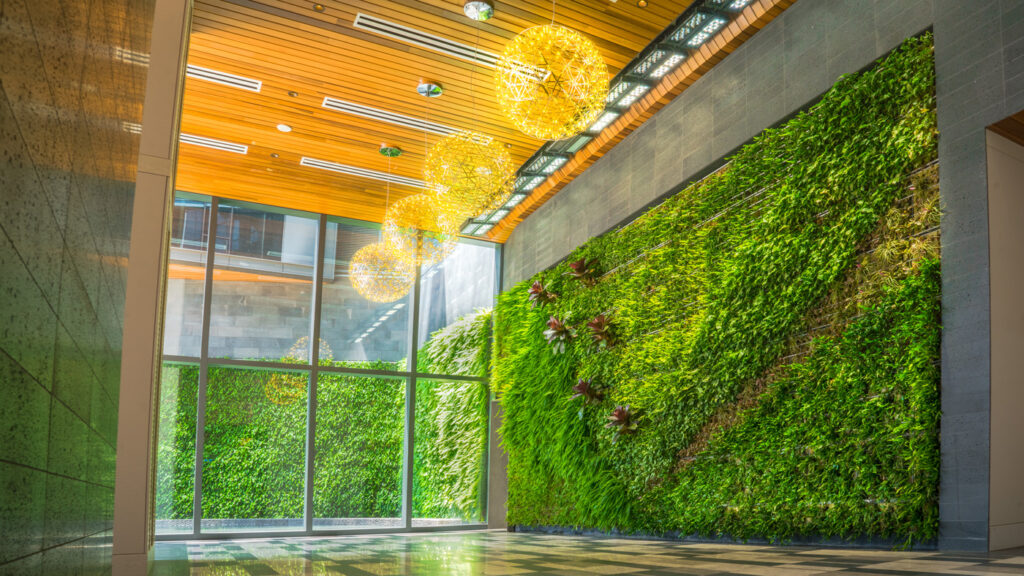
Green Wall Installation in Bulawayo and Harare
Green walls — also called living walls or vertical gardens — are transforming urban spaces across Zimbabwe. These lush installations bring nature into built environments and deliver real environmental and economic benefits, from corporate lobbies in Bulawayo and Harare’s CBD to residential courtyards in Bulawayo’s suburbs. Whether you are a homeowner, architect, or facilities manager, this guide walks you through everything you need to know about installing a green wall in Zimbabwe’s two largest cities.
What Is a Green Wall?
A green wall is a vertically installed system of plants grown on or against a wall surface. Unlike a simple trellis with climbing vines, a modern green wall uses purpose-built panels, felt pockets, or modular frames that hold growing media and individual plant units. Systems can be freestanding or wall-mounted, indoor or outdoor, and irrigated automatically or by hand.
There are two main categories. A green façade uses climbing or trailing plants rooted in soil at the base of a wall. A living wall (or bio-wall) uses plants rooted directly within the wall structure itself, fed by an integrated irrigation system. Both work well in Zimbabwe’s climate, though living walls require more technical input during installation.
Why Green Walls Are Growing in Popularity in Zimbabwe
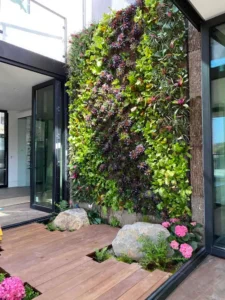
Zimbabwe’s urban temperatures have risen noticeably over the past two decades. Harare recorded some of its hottest dry-season days on record in recent years, and Bulawayo regularly experiences intense heat from August through November. Green walls offer a natural cooling effect: a well-planted living wall can reduce surface temperatures by up to 10°C through evapotranspiration and shading, cutting air conditioning costs in commercial buildings.
Beyond temperature control, green walls improve air quality by filtering dust, absorbing carbon dioxide, and releasing oxygen. In Harare’s increasingly congested central business district, this matters. According to the Zimbabwe Environmental Law Association (ZELA), urban green infrastructure is one of the most cost-effective tools available to municipalities that are trying to meet environmental targets.
There is also a strong aesthetic and commercial argument. Properties with professionally installed green walls consistently attract higher rental values and increased foot traffic in retail settings. For hospitality businesses — hotels, restaurants, and event venues — a striking living wall has become a powerful social media asset and differentiator in a competitive market.
Climate Considerations for Harare and Bulawayo
Before selecting plants and systems, you need to understand how each city’s climate affects your installation.
Harare sits at approximately 1 483 metres above sea level. Its highland climate means mild summers (October–April) with reliable rainfall averaging around 830 mm per year, and cool, dry winters (May–August) with temperatures occasionally dropping close to freezing. Indoor green walls in Harare need little supplemental heating but may need misting during dry winter months. Outdoor installations benefit from the reliable summer rainfall but must be designed to handle occasional frost risk.
Bulawayo is lower, hotter, and significantly drier than Harare, receiving roughly 590 mm of rain annually. Summer temperatures frequently exceed 30°C. Green walls here require drought-tolerant plant selections, robust irrigation systems, and shading from direct western afternoon sun. Water-efficient drip systems are strongly recommended, particularly given the city’s periodic water supply challenges.
The Zimbabwe Meteorological Services Department provides up-to-date climate data useful for planning seasonal irrigation schedules and frost management strategies.
Choosing the Right Plants for Zimbabwean Green Walls
Plant selection is the most critical factor in the long-term success of a green wall. In both Harare and Bulawayo, the following categories perform reliably.
Tropical foliage plants such as pothos (Epipremnum aureum), philodendrons, and peace lilies excel in indoor living walls. They tolerate low light, maintain lush colour year-round, and are widely available from local nurseries.
Indigenous and drought-tolerant species are essential for outdoor walls, especially in Bulawayo. Succulents, aloes, and selected indigenous ferns handle heat and irregular watering well. Using indigenous species also supports local biodiversity — a principle strongly promoted by the Botanical Society of Zimbabwe.
Edible herbs and vegetables such as mint, basil, parsley, and spinach work well in sheltered outdoor walls or kitchen-adjacent indoor installations. They are increasingly popular in Harare’s growing urban farming community.
Avoid high-water-demand species on outdoor walls in Bulawayo unless you have a reliable, automated irrigation supply. Always source plants from reputable local nurseries to ensure they are already acclimatised to Zimbabwean conditions.
Green Wall Installation: Step-by-Step Process
1. Structural Assessment
Before installation begins, a structural engineer or experienced contractor must assess the load-bearing capacity of the target wall. A fully planted, irrigated living wall system weighs between 30 and 120 kg per square metre depending on the growing medium used. In older buildings—common in both Harare’s colonial-era CBD and Bulawayo’s historic suburbs— this assessment is non-negotiable.
2. Waterproofing and Wall Preparation
The wall surface must be waterproofed to prevent moisture damage to the building fabric. Use a heavy-duty bituminous or polyurethane membrane applied to a clean, prepared surface. This is particularly important for interior walls where water ingress could cause structural or mould-related damage.
3. Frame and Panel Installation
Modular aluminium or galvanised steel frames are fixed to the wall using stainless steel anchors. Panels — whether felt pockets, plastic trays, or hydroponic boards — clip or bolt into the frame. Ensure a minimum 50 mm air gap between the panel system and the wall surface to allow air circulation and prevent moisture build-up.
4. Irrigation System Setup
For living walls of more than 4 m², an automated drip irrigation system is strongly recommended. A simple timer-controlled system with a small reservoir or mains water connection delivers water to distribution headers that feed each planting row. In Bulawayo, fit a supplementary rainwater harvesting connection where possible, given water supply intermittency.
5. Planting and Establishment
Plants are inserted into the system and given an establishment period of four to eight weeks before the wall is considered complete. During this period, watering frequency should be higher than the long-term maintenance schedule to encourage root establishment.
6. Ongoing Maintenance
Green walls require regular attention: pruning dead growth, replacing failed plants, checking irrigation emitters for blockages, and fertilising on a seasonal schedule. Budget for a monthly maintenance visit from a qualified horticulturist, or train an in-house team to carry out routine checks.
Costs and Budgeting in Zimbabwe
Green wall installation costs in Zimbabwe vary widely based on system type, plant selection, wall size, and the complexity of the irrigation setup. As a general guide, modular living wall systems for indoor use in Harare currently range from USD 120 to USD 350 per square metre installed, including plants and a basic irrigation setup. Outdoor façade systems using climbing plants are less expensive, typically starting around USD 40 to USD 80 per square metre.
Material costs have been affected by import duties and foreign currency availability. It is advisable to source as much as possible locally. For up-to-date pricing on horticultural inputs and landscaping services, the Zimbabwe National Chamber of Commerce can connect you with accredited contractors and suppliers operating in both cities.
Permits and Regulations
Most residential green wall installations in Zimbabwe do not require planning permission, provided no structural changes are made to the building. However, commercial installations — particularly those on heritage buildings in Harare’s CBD or Bulawayo’s protected historical precincts — may require approval from the relevant local authority. Contact the Harare City Council or Bulawayo City Council planning departments early in the project to confirm requirements and avoid costly delays.
Finding Qualified Green Wall Installers in Zimbabwe
The green wall industry in Zimbabwe is still developing, but a growing number of landscaping companies now offer specialised installation services in Harare and Bulawayo. When evaluating contractors, ask for a portfolio of completed projects, references from commercial clients, and a written maintenance plan as part of the contract.
For broader guidance on sustainable landscaping practices and finding qualified professionals, the Environmental Management Agency of Zimbabwe (EMA) is a useful starting point.
Final Thoughts
A well-designed and properly installed green wall delivers lasting value — aesthetic, environmental, and financial. In Harare and Bulawayo, where urban heat, air quality concerns, and water scarcity are pressing realities, green walls are not merely decorative. They are a practical investment in more livable, sustainable cities. Start with a clear brief, choose climate-appropriate plants, work with experienced local contractors, and plan for ongoing maintenance from day one.
The results, when done right, speak for themselves.