
What Waterproofing Can You Do with Liquid Coatings?
Water finds every gap. It seeps into hairline cracks, pools on flat roofs, and pushes through ageing plaster until it reaches your ceilings and walls. Liquid waterproofing coatings solve this problem without heavy construction work. They go on wet, cure into a seamless membrane, and stop water at the surface before it becomes a structural issue.
At Tusker Civils & Landscapes, we apply liquid coatings across Bulawayo every week. This guide breaks down the main types, where each one works best, and how to choose the right system for your property.
What Are Liquid Waterproofing Coatings?
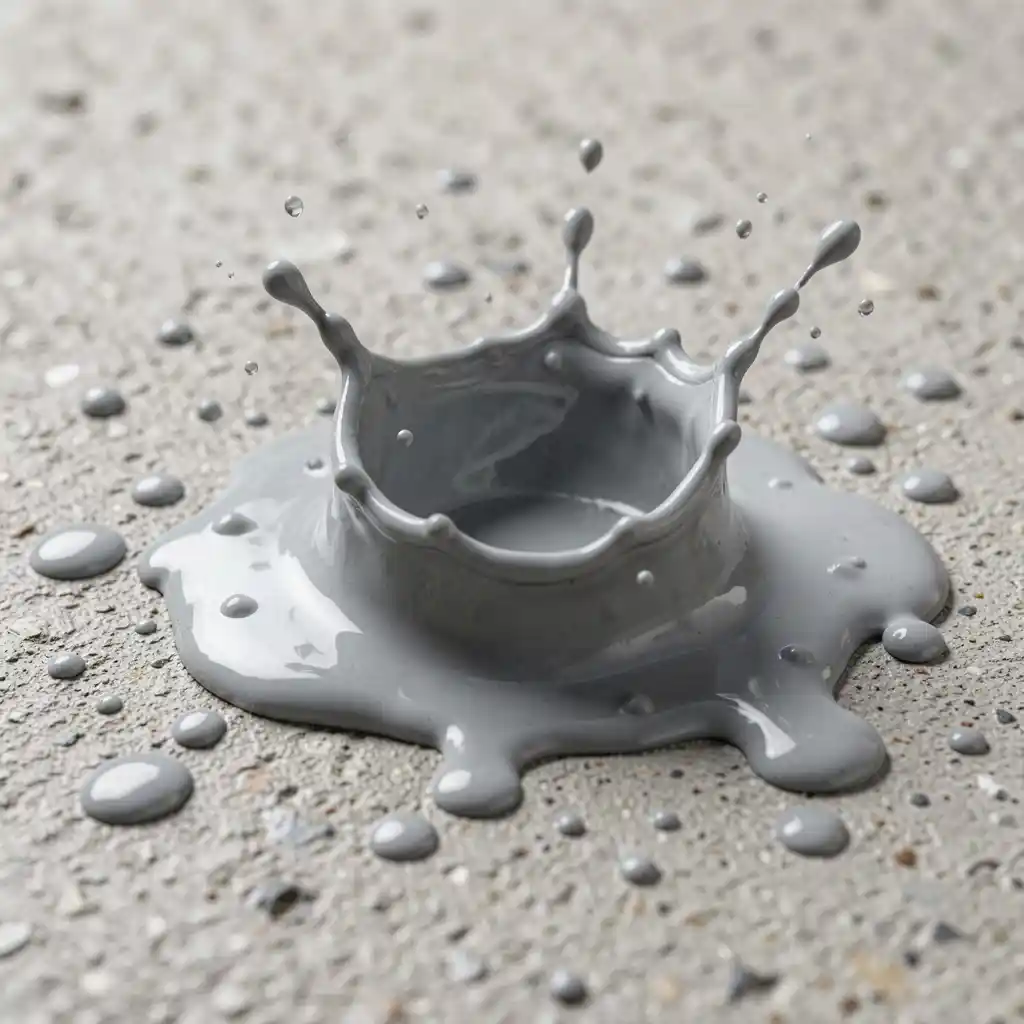
A liquid waterproofing coating starts as a paint-like compound. Contractors brush, roll, or spray it onto a prepared surface. As it cures, it forms one continuous, joint-free layer that bonds tightly to the substrate underneath. <cite index=”30-1″>Liquid-applied membranes cure into a rubber-like elastomeric barrier and can go over many substrates, including asphalt, bitumen, and concrete.</cite>
This seamless quality sets liquid coatings apart from sheet membranes. Sheets need overlapping joints, and every joint is a potential leak point. A liquid coating flows into corners, pipe penetrations, and irregular shapes without a single seam. <cite index=”38-1″>Waterproofing more broadly covers any process that keeps a structure unaffected by water or resistant to water ingress under specified conditions, and building waterproofing sits within the wider category of thermal and moisture protection in construction.</cite>
Acrylic Liquid Coatings for Roofs and Walls
Acrylic coatings are water-based, so they go on easily and carry a low odour. They stretch well, which means they bridge small cracks as your building moves with temperature changes. Bulawayo’s dry winters and hot summers cause exactly this kind of movement, so flexibility matters more here than in milder climates.
We use acrylic coatings on flat concrete roofs, parapet walls, and exterior wall surfaces. They also resist UV rays well, which extends their service life under Zimbabwe’s strong sun. If your boundary wall keeps losing paint and plaster, our guide on peeling boundary walls in Bulawayo explains why an acrylic-based system often solves the underlying moisture problem for good.
Polyurethane Liquid Coatings for High-Movement Areas
Polyurethane coatings cost more than acrylic systems, but they earn that premium on demanding surfaces. They cure into a tough, highly elastic membrane that handles foot traffic, furniture loads, and constant thermal expansion.
We specify polyurethane coatings for balconies, podium decks, and trafficable areas that need to stay watertight under daily use. They also perform well in bathrooms and other wet areas, where standing water is a constant risk. Because they demand skilled application and controlled curing conditions, this system works best when a specialist contractor manages the job from start to finish.
Bituminous Liquid Coatings for Roofs and Foundations
Bituminous coatings use modified bitumen in liquid form. They offer a cost-effective option for large, exposed surfaces and roof renovation projects, and they fill cracks, gaps, and small voids in the substrate as they cure.
We often pair liquid bitumen coatings with foundation walls, retaining structures, and below-ground areas, where they add an extra barrier against rising groundwater. On roofs, they work well as a maintenance recoat between full membrane replacements, extending the life of an existing torch-on system without a complete tear-off.
Cementitious and Crystalline Coatings for Concrete
Cementitious coatings mix cement, sand, and waterproofing additives into a slurry. Contractors apply this slurry with a brush or trowel, and it bonds permanently to concrete. That makes it ideal for water tanks, basements, and swimming pool structures.
Crystalline coatings go a step further. They penetrate the pores of the concrete itself and react chemically with moisture to block the tiny pathways water would otherwise travel through. This makes them a strong choice for below-ground concrete protection on properties with high water tables or heavy summer rainfall.
Where Liquid Coatings Work Best Around Your Property
Flat Roofs and Low-Pitch Areas
Flat and low-pitch roofs benefit the most from liquid coatings, since they collect standing water and show the earliest signs of failure. If you’ve noticed water stains, blistering, or musty smells indoors, our post on the top signs your roof is leaking walks through exactly what to look for before the damage spreads.
Bathrooms, Balconies and Pool Surrounds
These areas suit liquid systems well because they have irregular shapes, pipe penetrations, and constant moisture exposure. A seamless coating handles all of that without the joint failures that often affect sheet products in tight spaces.
Boundary Walls and Retaining Structures
Rising damp and hydrostatic pressure push moisture through masonry from below. A liquid-applied damp course stops that movement before it reaches your interior finishes. For a full walkthrough of leak diagnosis before you commit to a system, our roof leak detection guide for Bulawayo homeowners is a useful next read.
Choosing the Right Liquid Coating for Your Property
No single liquid coating suits every surface. The right choice depends on your roof type, how much foot traffic an area gets, how much your structure moves, and your budget. A polyurethane deck coating and an acrylic roof coating solve different problems, even though both start out as a liquid in a bucket.
That’s why proper inspection always comes first. At Tusker Civils & Landscapes, we assess your surface, identify the source of any existing moisture, and recommend a system built for Bulawayo’s climate rather than a generic solution. Every installation carries a written guarantee, so you know exactly what you’re covered for.
If water keeps finding its way into your roof, walls, or wet areas, get in touch with our team for a free, no-obligation assessment. We’ll tell you honestly which liquid coating — or combination of systems — will keep your property dry for years to come.
Recent Posts:
Why Is Your Bulawayo Boundary Wall Peeling After Just a Few Months?