
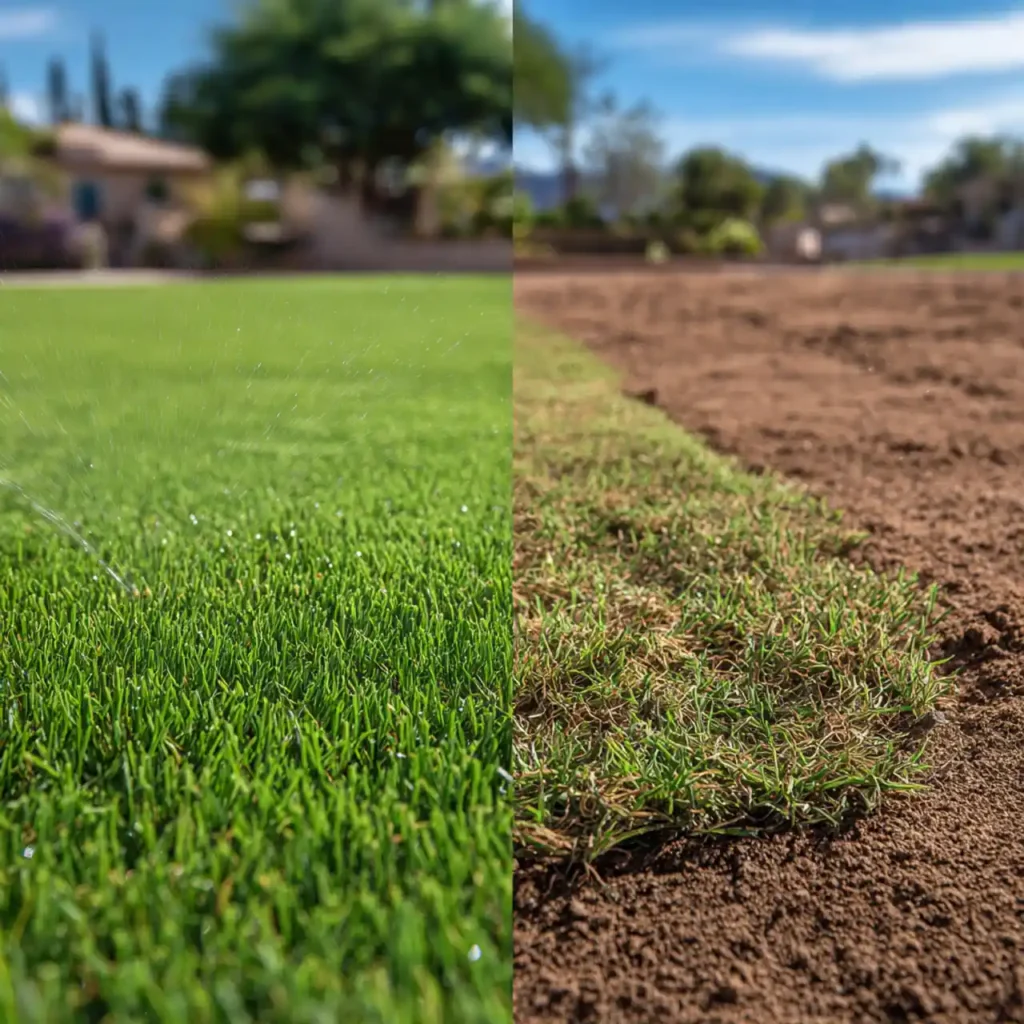
30-Day Instant Lawn Care Guide for a Healthy, Green Start
Getting a new instant lawn installed is one of the most rewarding upgrades you can make to your property. Tusker Civils & Landscapes, Bulawayo’s trusted civil construction and landscaping company, completes dozens of instant lawn installations in Bulawayo every season — and the most common question we hear after laying day is simple: what do I do now? The first 30 days are make-or-break for your new turf. Follow this guide and you will give your lawn the best possible start in Zimbabwe’s climate.
Why the First 30 Days Matter So Much
Instant lawn arrives as a living product. The roots are shallow, the turf is stressed from cutting and transport, and it depends entirely on you for survival in those early weeks. During this critical window, the grass needs to knit its roots into the soil beneath — a process called establishment. Without proper care, even the best-laid turf will yellow, shrink, or die back at the seams.
Fortunately, establishment is straightforward if you follow a consistent routine from day one.
Week 1: Watering Is Your Only Job
Water Deeply and Immediately After Installation
The moment your turf goes down, it needs water. On installation day itself, soak the lawn thoroughly — not a light sprinkle, but a deep, sustained watering that pushes moisture through the turf and into the prepared soil below. Aim for at least 15 to 20 minutes per zone if you have a sprinkler or drip irrigation system in place.
Keep the Soil Consistently Moist
Throughout week one, water your lawn at least twice a day — early morning and late afternoon. In Bulawayo’s heat, midday watering evaporates too quickly and can scorch new blades. Lift the corner of a turf roll occasionally to check that the soil beneath feels damp. If the soil looks dry and pale, increase your watering frequency.
Stay Off the Lawn
This is non-negotiable for the first seven days. Foot traffic on newly laid turf compresses the roots before they have time to anchor properly. Keep children, pets, and garden furniture off the surface entirely during week one.
Week 2: Reduce Watering Frequency, Not Volume
By the second week, your turf should start showing signs of active growth — new blade tips will appear slightly brighter green than the original cut. This is a good sign. However, the roots still need encouragement to grow downward, so reduce watering to once a day rather than twice. Morning watering remains the most effective approach.
Check for Dry Patches and Lifted Seams
Gaps between turf rolls can dry out faster than the centre of each slab. If you notice pale or dry-looking seams, give them a targeted soak. Also check that wind has not lifted any edges. Press them back firmly and water immediately if they have shifted.
Assess Your Irrigation Setup
If you installed your lawn without an automated irrigation system, now is a good time to consider one. Tusker’s irrigation services in Bulawayo cover everything from basic sprinkler networks to smart-controller drip systems — and a well-designed system will protect your lawn investment for years beyond these first 30 days.
Week 3: The Turf Starts to Root
The Tug Test
Around day 14 to 21, try lifting a corner of one of the turf rolls gently. If you feel resistance — as though the grass is pulling back — the roots are establishing into the soil. This is exactly what you want. If the roll lifts easily and cleanly, the soil contact is not yet sufficient. In that case, continue watering at the same frequency and avoid mowing.
Light Fertilising Can Begin
Once you see clear root resistance, a light application of a balanced lawn fertiliser supports healthy growth. Use a product suited to your grass variety. Tusker installs LM Berea, Kikuyu, Buffalo, and Cynodon grass varieties across Bulawayo — each has slightly different nutrient preferences, so ask our team for a specific recommendation at the time of installation. According to the University of Florida’s Institute of Food and Agricultural Sciences, new turf should receive a starter fertiliser within the first three to four weeks to support root development without forcing excessive top growth.
Reduce Watering to Every Other Day
As roots deepen, they draw water from further down in the soil profile. Reduce watering to every second day this week, but maintain adequate volume when you do water. Deep, less frequent watering trains roots to grow downward rather than sitting shallow near the surface — a key factor in long-term drought tolerance, which matters significantly in Zimbabwe’s dry season.
Week 4: First Mow and Maintenance Transition
Your First Mow
By day 21 to 28, most well-established lawns are ready for their first cut. Set your mower blade high — remove no more than one third of the blade height in a single mow. Cutting too low too soon stresses the plant and can damage shallow roots that are still anchoring. Ensure your mower blades are sharp; a blunt blade tears rather than cuts, leaving ragged tips that brown quickly.
Move to a Normal Watering Schedule
After the first mow, your lawn no longer needs the intensive daily care of establishment. Transition to a mature watering schedule: three to four times per week during dry periods, and monitor rainfall to avoid overwatering during Zimbabwe’s rainy season. If you have a smart irrigation system installed, configure it to adjust automatically based on rainfall detection.
Watch for Pest and Disease Signs
New lawns can attract lawn grub, army worm, and fungal patches in the first month — particularly during humid conditions. If you notice irregular brown patches, webbing near the soil surface, or rapid die-back in a localised area, act quickly. Most issues respond well to commercially available treatments when caught early.
Long-Term Care: What Comes After Day 30
Once your lawn passes the 30-day mark successfully, the intensive establishment phase is behind you. Ongoing care involves regular mowing at the correct height for your grass type, seasonal fertilising, aerating compacted areas once or twice a year, and maintaining your irrigation system. The Royal Horticultural Society recommends aerating and top-dressing lawns annually to maintain soil structure and promote healthy root systems — a practice equally applicable to Bulawayo’s heavier clay soils.
If your property also benefits from hard landscaping alongside your new lawn, Tusker offers complementary services including paving in Bulawayo, waterproofing, and flooring solutions — giving you a single contractor for every aspect of your outdoor and built environment.
For properties where water availability is a concern, consider pairing your lawn with a green wall installation to add vertical greenery that uses significantly less water than a comparable ground-cover area.
Ready to Install Your Instant Lawn in Bulawayo?
Tusker Civils & Landscapes handles the full process — site preparation, soil grading, turf supply, laying, and aftercare advice — so your lawn looks great from day one and keeps growing long after. Whether you are in Famona, Hillside, Burnside, or anywhere across Bulawayo and Zimbabwe, our teams are ready to transform your outdoor space.
Recent Posts:
Asbestos and Demolition in Bulawayo: The Hidden Danger No One Talks About
Partial vs Full Demolition — Which Option Is Right for Your Bulawayo Property?
How Much Does Building Demolition Cost in Bulawayo in 2026?
Stamped and Decorative Concrete — Can It Work in Bulawayo’s Heat?