
What Is Waterproofing? Everything You Need To Know
Bulawayo property owners face a serious threat every rainy season. Water penetrates buildings through cracks, joints, and porous surfaces. The damage it causes is costly and often invisible until it is too late. Understanding waterproofing Bulawayo properties need is the first step toward protection. Tusker Civils & Landscapes is Bulawayo’s trusted waterproofing specialist. This guide explains everything you need to know.
What Is Waterproofing?
Waterproofing makes a structure resistant to water penetration. It involves applying membranes, coatings, and sealants to exposed surfaces. The goal is simple — keep water out and protect your building. Every Bulawayo property needs some form of waterproofing.Waterproofing is not the same as damp-proofing. Damp-proofing resists moisture vapour only. Waterproofing resists liquid water under pressure. For Bulawayo’s heavy rainy season, full waterproofing is always the recommended solution. Flat roofs collect standing water. Basements face groundwater pressure. Retaining walls absorb soil moisture constantly. Wet areas like bathrooms are permanently exposed to water. Without proper waterproofing Bulawayo structures deteriorate rapidly and expensively. For building standards and construction regulations in Zimbabwe, visit the Zimbabwe National Roads Administration.
Why Is Waterproofing Important in Bulawayo?
Bulawayo receives most rainfall between November and March. Properties face intense downpours, flash flooding, and sustained moisture during this period. Poorly waterproofed buildings absorb water into walls, floors, and foundations. The consequences are severe. Structural concrete cracks and spalls under water pressure. Steel reinforcement rusts and expands, causing further concrete damage. Walls develop rising damp and unsightly white salt deposits. Ceilings stain and eventually collapse. Mould spreads through interior spaces, creating serious health hazards. Bulawayo’s clay-heavy soils expand when wet and contract when dry. This constant movement places pressure on foundations and below-ground structures.
Without proper waterproofing Bulawayo foundations crack and lose structural integrity over time. The cost of fixing water damage always exceeds the cost of prevention. A leaking roof can destroy ceilings, electrical installations, and structural timbers in one season. Always waterproof before damage occurs — never after. For property maintenance standards in Southern Africa, visit the South African Property Owners Association.
Types of Waterproofing Systems
Tusker Civils & Landscapes selects the right system for each application. The choice depends on surface type, water exposure, and structural requirements.
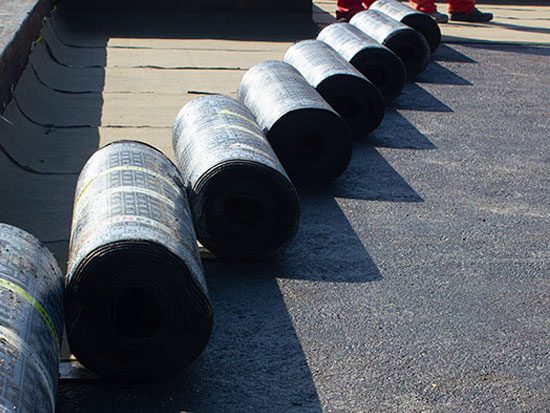
Bituminous Membrane Waterproofing: Bituminous membranes are torch-applied or self-adhesive sheets bonded to concrete surfaces. They are flexible, durable, and resistant to UV degradation. They are ideal for Bulawayo’s flat-roof residential and commercial buildings.
Liquid Applied Membranes: Liquid waterproofing cures into a seamless, flexible rubber-like membrane. It suits complex shapes, irregular surfaces, and areas with many pipe penetrations. It is commonly used on balconies, wet areas, and podium decks.
Cementitious Waterproofing: Cementitious coatings penetrate concrete and block capillary pores that allow water ingress. They are used in water tanks, swimming pools, and underground structures. For Bulawayo’s water storage infrastructure, this system is highly effective.
Polyurethane Membrane Waterproofing: Polyurethane systems offer superior flexibility and UV resistance. Bulawayo’s temperature fluctuations make polyurethane ideal for exposed rooftops and terraces. This system handles thermal movement exceptionally well.
Crystalline Waterproofing: Crystalline compounds grow into the concrete matrix and permanently block water pathways. This advanced system suits foundations, basement walls, and water-retaining structures perfectly.
For technical waterproofing product information, visit Master Builders South Africa.
Where Is Waterproofing Applied?
Waterproofing Bulawayo properties require attention across multiple building areas. Knowing where waterproofing is needed helps owners plan budgets effectively.
Flat Roofs and Roof Decks: Flat roofs are the most common source of water ingress in Bulawayo. Standing water and UV degradation break down unprotected surfaces quickly. A properly waterproofed flat roof lasts 15 to 20 years before re-treatment.
Basements and Underground Structures: Below-ground spaces face constant hydrostatic water pressure. Waterproofing must cover all walls, floors, and construction joints. Both external and internal systems are used depending on access.
Retaining Walls: Retaining walls hold back constantly moist soil during Bulawayo’s rainy season. Without waterproofing, moisture penetrates the wall and corrodes internal reinforcement steel. Surface deterioration follows rapidly.
Wet Areas: Bathrooms, kitchens, and laundries must be waterproofed before tiling. A failed wet area membrane allows water into floor and wall substrates. Mould growth and structural damage follow quickly.
Swimming Pools and Water Features: Pool shells must be waterproofed to prevent water loss and protect surrounding structures. Constant moisture exposure damages unprotected pool surrounds significantly over time.
Foundations and Floor Slabs: Rising damp affects many Bulawayo properties without adequate sub-slab waterproofing. Damp-proof membranes protect floor slabs from groundwater migration effectively.
For construction guidance in Zimbabwe, visit the Zimbabwe Institute of Engineers.
Signs Your Property Needs Waterproofing
Many Bulawayo owners discover waterproofing failures after serious damage has occurred. Watch for these warning signs early. Damp patches or water stains on ceilings signal roof leaks. Peeling paint and bubbling plaster indicate trapped moisture beneath surface finishes. White salt deposits on walls signal rising damp migrating through masonry. Musty smells in enclosed spaces indicate persistent mould growth. Cracked or lifting floor tiles may signal sub-floor moisture problems. Rust stains on concrete indicate corroding reinforcement steel from water ingress.
If you notice any of these signs, contact Tusker Civils & Landscapes immediately. Early intervention prevents minor failures from becoming major structural repairs. Waiting always makes the problem worse and more expensive. For health guidance on mould and damp in buildings, visit the World Health Organisation Zimbabwe.
The Tusker Civils Waterproofing Process
At Tusker Civils & Landscapes, we follow a structured professional process on every project. We begin with a thorough site inspection and moisture assessment. We identify all failure points, penetrations, and structural cracks first.
Surface preparation is the most critical step in waterproofing. Poorly prepared surfaces cause membrane failures regardless of product quality. clean, prime, and repair all substrate defects before any application begins.
Our expert team applies the correct waterproofing system for each specific situation. We use only approved, high-performance products from reputable manufacturers. Our teams are trained and experienced across all major waterproofing systems.
We test all completed installations before handover. Flood testing and moisture readings confirm every application meets our quality standard. Every Tusker waterproofing project is backed by a written workmanship guarantee.
For waterproofing product standards in Southern Africa, visit the South African Bureau of Standards.
How Much Does Waterproofing Cost in Bulawayo?
Waterproofing costs vary depending on the area, system selected, and substrate condition. Flat roof waterproofing typically costs less per square metre than below-ground applications. Complex wet areas and basements require more preparation and specialist systems. The most important cost consideration is this — preventing water damage is always cheaper than repairing it. One failed rainy season causes damage costing ten times more than proper waterproofing upfront. Waterproofing Bulawayo properties correctly the first time is always the smart financial decision.
Tusker Civils & Landscapes offers competitive, transparent pricing on all projects. We provide detailed written quotations with no hidden costs. Contact our Bulawayo team today for a free site assessment. For construction cost benchmarking in Zimbabwe, visit the Zimbabwe National Statistics Agency.
Conclusion
Waterproofing Bulawayo properties is not optional — it is essential. Every building faces seasonal rain, soil moisture, and temperature movement that damages unprotected structures. The right system, properly applied by experienced professionals, protects your property and your investment.Tusker Civils & Landscapes brings technical expertise, quality products, and proven workmanship to every waterproofing project. From flat roofs and basements to retaining walls and wet areas, we waterproof it all. We are professional, reliable, and guaranteed.
Contact Tusker Civils & Landscapes today and protect your Bulawayo property before the next rainy season arrives. 🏗️💧