
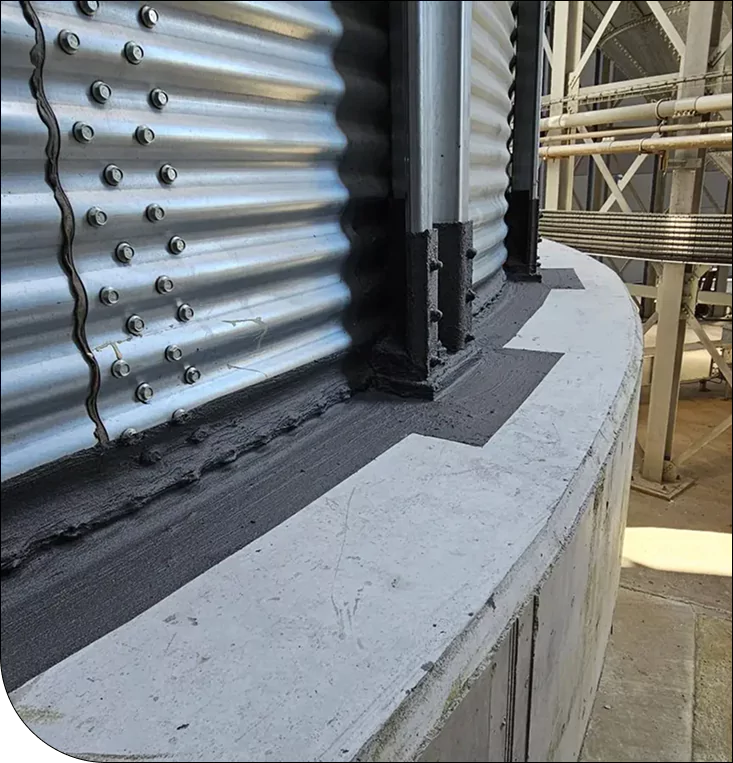
Silo Waterproofing in Zimbabwe
Silo waterproofing is now central to protecting every tonne of grain you grow. Zimbabwe is expanding its storage fast. The country is on course to complete 14 AI-powered silo projects by mid-2027. Yet even the best silo fails when water gets in. A small roof leak or a cracked wall joint can undo months of hard work. In this guide, Tusker Civils & Landscapes explains how moisture damages stored grain. We show where silos leak, how to spot early warning signs, and what proper waterproofing involves. Read it before the rains arrive, while repairs are still simple and affordable.
Why Storage Losses Cost Zimbabwe So Much
Storage losses drain farm profits every year. Researchers working with CIMMYT report that between 20 and 30 percent of harvested grain is lost annually to insects, rodents and poor handling. The same source estimates that Zimbabwe loses US$56.7 million worth of maize in storage each year. Those numbers hurt smallholders and commercial farmers alike. Moisture sits behind much of this damage. Wet grain grows mould, attracts insects and loses market value. Mould can also produce aflatoxin, which makes grain unsafe for people and livestock. A sound silo shell is therefore your first line of defence. Waterproofing keeps that shell dry, so the grain inside stays within safe limits.
How Moisture Ruins Stored Grain
Grain is only safe when it stays dry. Farm Radio advises shelling maize at 13 to 14 percent moisture. The same guidance says maize above 20 percent needs rapid drying within 24 to 48 hours. Now imagine that dry grain meeting a steady drip from the roof. Moisture rises in that spot, and mould follows quickly. Spoiled patches then spread heat and dampness into the surrounding grain. Caking, musty smells and hard crusts are the usual results. Buyers reject affected grain or pay far less for it. Farmers lose twice: once on the spoiled grain, and again on the lost quality premium. Dry grain in a leaking silo is not really dry grain at all.
Where Silos Leak: Five Common Entry Points
Water rarely enters through one big hole. It sneaks in through small weak points that nobody checks. Roof sheeting and roof-to-wall joints leak first, especially where sealant has aged. Loose bolts and rusted fasteners let rain run straight through. Roof hatches, vents and inlet spouts come next, because their seals wear out. Concrete silos develop hairline cracks, which widen with heat and cold. Foundations and base slabs can also draw groundwater upward. University of Georgia extension guidance names leaks and condensation as the main causes of moisture in stored grain. A Purdue University fact sheet adds that even slow roof or vent leaks can rewet grain and cause spoilage.
Condensation: The Leak You Cannot See
Not every wet patch comes from rain. Condensation causes just as much trouble. Bulawayo has hot days and cool nights, and silo walls follow those temperature swings. When outside air cools, the walls and roof cool the grain nearby. Warm, moist air then rises through the grain and meets the cold roof. Water forms under the roof and drips back onto the grain. The University of Georgia guidance calls this moisture migration. It says the process creates a wet zone at the top of the bin. Waterproofing does not replace good ventilation. It does, however, seal the structure so condensation is the only moisture problem left to manage. Sealed joints, dry roof sheets and corrosion-free fasteners make ventilation far more effective.
Warning Signs Your Silo Needs Waterproofing
Catch problems early and repairs stay small. Walk around your silo and look closely. Rust streaks on the walls or base signal trapped moisture. Daylight showing through the roof or wall means water can enter too. North Dakota State University guidance tells owners to inspect roof-to-wall connections, bolts, damaged sheets and the seal on roof doors. Inside, look for stained concrete, flaking paint and damp patches near joints. Check the grain for musty odours, hard crusts or warm spots. Nationwide’s guidance on corrugated steel bins warns that roof debris traps moisture and speeds up coating breakdown. Never walk onto grain that has crusted over. Purdue warns this is dangerous, so call a professional.
Silo Waterproofing Methods for Concrete and Steel Structures
Concrete and steel silos need different treatments. For concrete, we start by cleaning and assessing the surface. We then route out cracks and seal them with flexible repair materials. Next, we treat construction joints and roof slab edges. A flexible, protective waterproof coating goes over the exterior. Flexibility matters because silo walls expand and contract daily. A rigid coating would crack within a season. For slabs and bases, we add a membrane or damp-proof barrier to stop water rising from below.
Steel silos need rust control first. We remove loose corrosion, treat the steel and apply a suitable primer. Damaged bolts and sheets are then replaced. Laps, seams, hatches and bolt heads are sealed one by one. A reinforcing membrane covers the weakest seams. Finally, we apply a UV-resistant acrylic coating to the roof and upper walls. The coating also reflects sunlight, which helps reduce heat build-up. Where any product could touch grain, we confirm that it suits food contact before application.
What Affects the Cost of Silo Waterproofing?
Every silo is different, so prices vary. Several factors drive the final quote. Size and height come first, since access and scaffolding add cost. The material matters next, because concrete and steel need different systems. Surface condition has a big effect too. Heavy rust, deep cracks or failed old coatings need more preparation. The number of joints, hatches and penetrations also adds labour. Finally, the coating system affects both price and lifespan. A paint-only fix may look fine for a season. A full system with repairs, membrane and coating lasts much longer. It also protects far more grain value. That is why we inspect first and quote second. You receive a clear scope, so you know exactly what you are paying for.
Why Timing Matters in Bulawayo
The rainy season usually begins around November and runs into March. Harvest follows from April. Waterproofing should therefore finish before the first heavy storms. Repairs done on an empty silo are faster and cleaner. They also avoid contaminating stored grain with dust or coating products. Large operators are tightening standards too. One Grain Marketing Board silo complex uses digital systems to monitor temperature, moisture and carbon dioxide in real time. Those controls only work if the structure stays sealed. Private farmers, millers and feed producers can follow the same principle on their own sites. A dry silo is the foundation of any good grain management plan.
Maintenance Habits That Protect Your Silo
Waterproofing lasts longer with simple habits. Inspect the silo every year before filling it, and again after the first big storm. Clear leaves, dust and bird droppings from the roof and vents. Check that bolts stay tight and sealant stays intact. Look at the base for ponding water, and fix drainage early. Inside, remove old grain residue completely, because damp leftovers feed mould in the next crop. Record every leak, patch and repair in a simple logbook. That record shows patterns, and patterns point to the real cause. Most importantly, act on small defects at once. A ten-minute sealant repair today prevents a week of emergency work later.
How Tusker Civils & Landscapes Waterproofs Silos
Tusker Civils & Landscapes handles silo waterproofing in Bulawayo and surrounding areas, from first inspection to final coating. Our team inspects the roof, walls, joints, hatches and base. We then give you a clear scope and quote. Every job follows the same sequence: surface preparation, crack and joint repair, rust treatment, membrane and coating. We supply all materials and fix them ourselves, so one accountable team handles the whole job. Our crews work safely at height and respect your harvest schedule. We also advise on drainage around the silo, because ponding water at the base causes many hidden problems.
Protect Your Harvest This Season
Silo waterproofing costs far less than a spoilt harvest. A leak found today is a small repair. A leak found after the rains is a lost crop. Book an inspection with Tusker Civils & Landscapes before the storms begin. Call or WhatsApp us for a free site inspection and a clear quote. Your grain took months to grow. Let us help you keep it dry.