
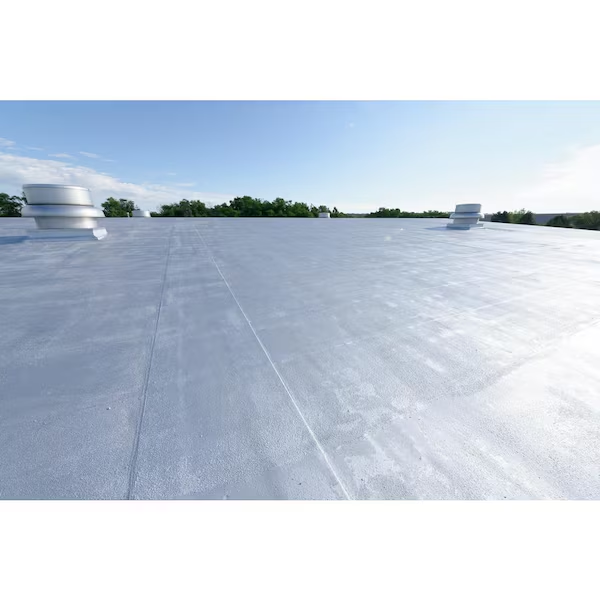
Silver Coat Protection Paint for Metal Roofs in Zimbabwe
Zimbabwe’s sun is generous, but it is hard on roofs. Every year, corrugated sheets in Bulawayo, Harare and Gweru bake, expand, rust and leak. Silver coat protection paint is one of the most practical ways to fight back. It reflects heat, seals the surface and slows corrosion. Applied properly, it can add years to a roof you already own.
At Tusker Civils and Landscapes, we restore and protect metal roofs on homes, farms, factories and commercial buildings. This guide explains how silver coat paint works, where it performs best, and how to get a lasting result. Read it before you decide to replace a roof that may only need recoating.
Why Metal Roofs in Zimbabwe Need Extra Protection
Zimbabwe lies fully within the tropics, yet its high plateau gives it a subtropical climate. According to Britannica, Bulawayo and Harare each average about eight hours of sunshine daily. That figure stays above six hours even in the rainy season. For a metal roof, this means long exposure to ultraviolet light and fierce heat. The rainy season adds a second challenge. The World Bank Climate Knowledge Portal notes that the rains and the warmest temperatures run from October to March. Moisture, heat and cool nights create a constant cycle of expansion and contraction. Over time, fixings loosen, laps open up, and protective layers wear thin. Once rust starts, it spreads fast. Small pinholes become leaks, and leaks damage ceilings, insulation and stored stock. A protective coating applied early costs far less than replacing sheets after rust has eaten through.
What Is Silver Coat Protection Paint?
Silver coat is a reflective roof coating. Most products contain fine aluminium pigment suspended in a protective binder. Once applied, the pigment forms a bright, metallic film across the roof. Some formulations add fibres for extra strength and flexibility. The coating works in two ways. First, it forms a barrier between the metal and the weather. Second, its bright finish reflects a share of the sun’s energy instead of absorbing it. Together, these effects reduce heat gain and slow the ageing of the sheet beneath. Silver coat is not ordinary roof paint. Decorative paints focus on colour. Silver coat is formulated for heat, movement and constant exposure. It is also easy to maintain. When the shine fades, we clean the surface and recoat.
How Silver Coat Paint Keeps Buildings Cooler
A reflective roof absorbs less solar energy. The US Department of Energy explains that cool roofs reflect more sunlight and release heat efficiently. White products reflect roughly 60 to 90 percent of sunlight. Cool-coloured products reflect about 30 to 60 percent. Results for aluminium coatings vary with the product and with how clean the surface stays.
Lower roof temperatures mean less heat entering the building. The US Environmental Protection Agency reports that cool roofs can cut peak cooling demand by 11 to 27 percent. That figure applies to air-conditioned homes. Many Zimbabwean buildings rely on fans or natural ventilation instead. Even then, a cooler roof makes the space below more comfortable.
This matters for workshops, warehouses, schools, clinics and poultry houses. Cooler interiors protect people, stock and equipment. ENERGY STAR notes that cool roofs save the most energy in hot, sunny climates. This is especially true on buildings with little roof insulation. That description fits many older roofs across Zimbabwe.
How Silver Coat Paint Fights Rust
Many metal roofs in Zimbabwe are galvanised steel. Galvanising is a thin zinc layer that protects the steel below. The Metal Construction Association describes zinc as a sacrificial coating that slowly wears away to protect the steel. Once that layer thins, the steel beneath becomes exposed to oxygen and water. This explains why silver coat helps. It adds a fresh barrier above the metal. It shields the remaining zinc from rain, sun and abrasion, which slows its loss. The roof keeps its protection for longer. Silver coat cannot rescue a roof that is already rotting through. Sheets with holes, heavy pitting or structural rust need replacement. For roofs in fair condition, though, recoating is an excellent investment. Early action is the secret.
Which Metal Roofs Suit Silver Coat?
Galvanised Corrugated and IBR Sheets
These sheets are common on homes, farm buildings and sheds. Weathered sheets respond well once they are properly cleaned and prepared.
Aluminium and Aluminium-Zinc Sheets
These sheets resist corrosion naturally, but they still heat up in the sun. A reflective coat can help. We test adhesion on a small patch before coating the whole roof.
Rusty and Ageing Roofs
Light to moderate surface rust can be treated. We remove loose rust and prime bare steel before coating.
Roofs We Advise Against Coating
Roofs with flaking old paint, perforated sheets or failing structure need other solutions. We will tell you honestly if replacement is the better choice.
Where Silver Coat Works Best in Zimbabwe
Silver coat suits many property types. Farmers use it on barns, grain stores and poultry houses, where cooler interiors protect livestock and produce. Factories and warehouses in Bulawayo’s industrial areas benefit from lower indoor heat and longer roof life. Homeowners can use it on garages, carports and main roofs that have faded and started to rust. Schools and clinics gain more comfortable rooms without major structural work. In every case, the roof must be sound enough to carry the coating.
Our Silver Coat Application Process
Preparation decides how long the coating lasts. Paint does not bond well to dirty, oily or loose surfaces. Here is how Tusker Civils approaches every roof.
Inspection and Repairs
We walk the roof and check every sheet, lap and fixing. Corroded screws and washers are replaced. Open laps and small holes are sealed with suitable compounds. Loose sheets are refixed before any paint goes on.
Cleaning and Rust Treatment
We wash away dirt, moss, chalking and grease. Loose rust is removed by wire brushing or mechanical cleaning. The roof must then dry fully. Moisture trapped under a coating causes blisters and early failure.
Priming
Bare steel and smooth galvanised surfaces often need a compatible primer. The primer helps the silver coat grip and adds rust protection. We follow the manufacturer’s data sheet for every product.
Applying the Silver Coat
We apply the coating by roller, brush or airless spray, depending on the roof. Two even coats usually give the best film thickness. We respect the recommended drying time between coats. We also avoid working in very hot, windy or damp conditions.
Curing and Aftercare
The finished roof needs time to cure before heavy rain. We check coverage, tidy the site and explain how to maintain the finish. Light cleaning and yearly inspections keep the coating performing.
Maintaining Your Silver Coat Roof
A little care goes a long way. Rinse dust and bird droppings off the surface with clean water. Avoid harsh scrubbing, which can wear the coating. Check gutters and valleys before every rainy season, because blocked drainage causes ponding and early failure. Inspect the roof once a year and promptly repair any scratches. Small touch-ups cost little and prevent rust from taking hold.
What Does Silver Coat Roof Painting Cost?
Every roof is different, so we do not quote blindly. Price depends on roof area, pitch, height, access and condition. The amount of rust treatment and the number of repairs also matter. The coating system chosen affects the final figure.
Recoating usually costs far less than replacing sheets. It also avoids the disruption of stripping a roof. Think of it as maintenance that extends the life of a major asset. Please ask us for a written quotation after the site inspection.
Common Mistakes to Avoid
The biggest mistake is skipping preparation. Painting over dirt or rust guarantees early peeling. Another error is coating a wet or hot roof. Moisture and extreme heat both weaken adhesion.
Thin coats are another problem. Over-thinning the product to save money reduces protection. Finally, ignoring metal roof leaks is costly. Paint is no substitute for repairing damaged sheets or failed fixings. An experienced contractor avoids all of these pitfalls.
Silver Coat Roof Paint FAQs
How long does silver coat paint last on a metal roof?
Lifespan depends on the product, preparation, roof condition and exposure. Always ask for the manufacturer’s stated performance and warranty. Inspect the roof yearly and recoat when the shine fades.
Will silver coat stop my roof leaking?
It can seal minor surface defects and hairline gaps. It will not fix large holes, failed laps or broken sheets. We repair those first before any attempt to silver coat.
Can I coat my roof in the rainy season?
The surface must be dry before and after application. Zimbabwe’s rains run from about November to March, so the dry months suit coating best. We plan every job around the weather.
Will it really reduce indoor heat?
A reflective finish lowers solar heat absorption. Results vary with insulation, ventilation and ceiling design. We can advise on the best combination for your building after a site inspection.
Protect Your Roof with Tusker Civils and Landscapes
A silver coat finish protects your roof, cools your building and delays costly replacement. Tusker Civils and Landscapes serves Bulawayo and clients across Zimbabwe with honest advice and careful workmanship. We assess your roof first, then recommend what it truly needs.
Call or WhatsApp us on 078 095 8746, or email build@tuskercivils.com. Request your roof inspection today and give your metal roof the protection it deserves.
Recent posts:
- Why Metal Roof Waterproofing by Coating Is a Bad Idea.
- Pool Paving Zimbabwe: Non-Slip Patio Options for Hot Weather
- Paving Bricks vs Stamped Concrete for Driveways in Zimbabwe
- Why Is Paint Peeling Off My New House? A Guide for Bulawayo Home Owners
- Why Herringbone Paving is Used for Driveways & Heavy Traffic?