
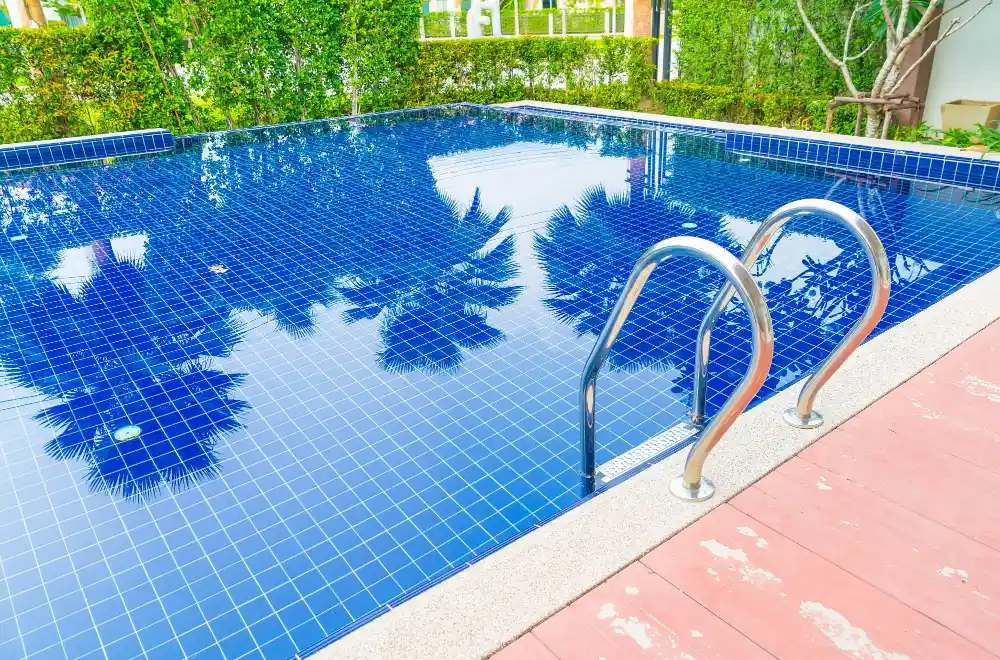
Why Swimming Pools in Bulawayo Leak and How Tusker Civils and Landscapes Stops Water Damage
A swimming pool adds real value to any Bulawayo property. However, an unwaterproofed pool or wet area rarely stays leak-free for long. Bulawayo’s clay-rich soils expand and contract with the seasons, and this movement puts constant pressure on concrete pools, bathrooms, and balconies. Consequently, swimming pool waterproofing in Bulawayo isn’t a luxury add-on. It’s the difference between a pool that lasts decades and one that cracks within a few rainy seasons.
At Tusker Civils & Landscapes, we treat waterproofing as a science, not an afterthought. This guide walks you through why leaks happen, which systems actually stop them, and how to protect every wet area on your property.
Why Waterproofing Matters So Much in Bulawayo
Bulawayo’s climate swings between long dry spells and short, intense rainy seasons. As a result, the ground beneath your pool shell shifts more than most homeowners realise. Meanwhile, standing pool water pushes outward against walls and floors around the clock, a force known as hydrostatic pressure. Without a proper barrier, this pressure eventually finds the weakest point in your concrete and forces its way through.
Wet areas inside the home face a similar risk, just on a smaller scale. Bathrooms, showers, and laundry rooms trap moisture against walls and floors every single day. Over time, that moisture seeps into grout lines, then into the slab itself, and finally into ceilings below. Left unchecked, this damage spreads quietly for months before anyone notices a stain or a damp patch.
Common Causes of Leaks and Cracks
Understanding the root cause of a leak matters more than patching the symptom. Otherwise, the same crack simply reopens a year later.
Soil Movement and Hydrostatic Pressure
Bulawayo sits on expansive soils that swell when wet and shrink when dry. This constant flexing stresses the rigid concrete shell of a pool, and hairline cracks soon widen into active leaks. Additionally, a high water table after heavy rains can push groundwater upward against the pool floor, a problem Tusker’s concrete team accounts for at the design stage, not after the fact.
Poor Substrate Preparation
Many leaks trace back to skipped steps during the original build. If a contractor rushes surface preparation, a waterproofing membrane never bonds properly. Consequently, the membrane peels or blisters within a year or two, long before its rated lifespan.
Ageing or Incorrect Membranes
Every waterproofing membrane has a service life. Cementitious coatings, for instance, typically last less than sheet or liquid-applied systems in constant water contact. So, a pool waterproofed with the wrong product for its exposure level will fail early, no matter how well it was installed.
Weak Points at Penetrations and Joints
Skimmer boxes, light fittings, expansion joints, and pipe penetrations are the most common failure points in any pool. These spots need dedicated flashing and flexible sealant, not a single continuous coat. Skipping this detail is one of the fastest ways to end up with a leaking pool.
Proven Waterproofing Methods for Swimming Pools
Once you understand the cause, choosing the right system becomes straightforward. Tusker Civils applies three main approaches, matching each one to the specific pool and site conditions.
Cementitious Waterproofing Systems
Cementitious systems bond directly to concrete and remain the industry standard for tiled pools. They’re rigid, durable, and resist the chemical load from chlorinated water well. However, they need a sound, well-prepared substrate to perform, which is why proper surface preparation always comes first.
Liquid-Applied Membranes
Liquid-applied polyurethane or acrylic membranes offer more flexibility than cementitious coatings. This flexibility helps them absorb minor structural movement without cracking, an important advantage in Bulawayo’s shifting soils. Global manufacturers such as Mapei supply these systems widely across commercial and residential pool projects, and Tusker applies the same principles locally.
Sheet and Preformed Membranes
For pools with complex geometry or a history of repeat leaks, preformed sheet membranes provide a fully bonded, seamless barrier. International suppliers like SOPREMA manufacture reinforced membrane systems built specifically for this purpose, and the same logic applies whether the pool sits in Bulawayo, Cape Town, or anywhere else.
Regardless of the system chosen, every waterproofing job at Tusker follows the same sequence: inspect, prepare the substrate, apply the membrane in the correct thickness, detail every joint and penetration, then cure fully before the pool holds water again.
Waterproofing Wet Areas Beyond the Pool
Pools rarely exist in isolation. Pool surrounds, decks, bathrooms, and balconies all sit in the same splash zone and deserve the same attention.
Pool decks and surrounds need a surface that stays slip-resistant even when wet, alongside proper drainage so water never pools against the pool edge. Tusker’s paving division designs these surrounds to integrate cleanly with the waterproofed shell, so water sheds away from the structure instead of soaking back into it.
Indoors, bathrooms and laundries need waterproofing under the tile, not just a sealed grout line on top. Tusker’s waterproofing service in Bulawayo covers wet area sealing for showers, bathroom floors, and balconies as standard, using the same membrane technology applied to pools. Meanwhile, any concrete or flooring work that borders a wet area gets specified with the correct falls and waterproofing detail from day one, rather than retrofitted later.
Warning Signs You Shouldn’t Ignore
A pool or wet area rarely fails without warning first. Falling water levels beyond normal evaporation, damp patches on walls near a bathroom, or a persistent musty smell all point to moisture finding its way where it shouldn’t. Cracked or lifting tiles around a pool edge, efflorescence on nearby walls, or a consistently soggy patch of lawn next to the pool are further clues that a membrane has failed somewhere beneath the surface.
Catching these signs early keeps repair costs manageable. Ignoring them, on the other hand, usually means dealing with structural damage, mould, and a far bigger bill down the line.
Protecting Your Investment for the Long Term
A well-waterproofed pool or wet area should give you ten to twenty years of trouble-free service, depending on the system used and how well it’s maintained. Annual inspections after the rainy season, prompt attention to any hairline crack, and correct drainage around the pool surround all extend that lifespan further.
If your Bulawayo property has a pool or wet area showing early signs of trouble, don’t wait for a small crack to become a major repair. Get in touch with Tusker Civils & Landscapes for a site assessment, or read more building and landscaping insights on our blog. Learn more about our full range of services on our About page.
Latest Posts:
What a Leaking Roof Is Really Costing You: Mould, Wiring Damage, and Falling Property Value
From Matopo to Harare: How Zimbabwe’s Different Climates Destroy Roofs Differently
Waterproofing Myths Zimbabwean Homeowners Still Believe in 2026