
What causes flat roof leaks in Zimbabwe
Flat roofs are popular across Zimbabwe. They suit modern homes, shops, schools, clinics and warehouses. They also give you useful space for water tanks, solar geysers and air conditioning units. However, flat roofs leak more often than pitched roofs. Water has no steep slope to carry it away, so every small weakness matters. As a result, a hairline crack or a blocked drain can soon turn into a stained ceiling. In this guide, we explain the main causes of flat roof leaks in Zimbabwe. We also show what you can do to prevent them. Whether you own a home in Bulawayo or a commercial building in Harare, this will help you spot trouble early and protect your investment.
Why Zimbabwe’s Climate Is Hard on Flat Roofs
Zimbabwe’s weather puts a flat roof under heavy pressure. The warm, rainy season runs from November into March, and a hot, dry spell builds from August through October. You can read a summary of the seasons on this Zimbabwe climate overview. Therefore, your roof bakes for months before the first storms arrive. Then it faces sudden, heavy downpours on a surface that may already be brittle. Rainfall also varies a great deal from year to year. A study of summer rainfall in Zimbabwe describes wet and dry seasons that swing sharply. Consequently, a roof that survived a dry year can fail in a wet one. Good design and regular care must account for both extremes, and many roofs get neither.
Ponding Water and Blocked Drains
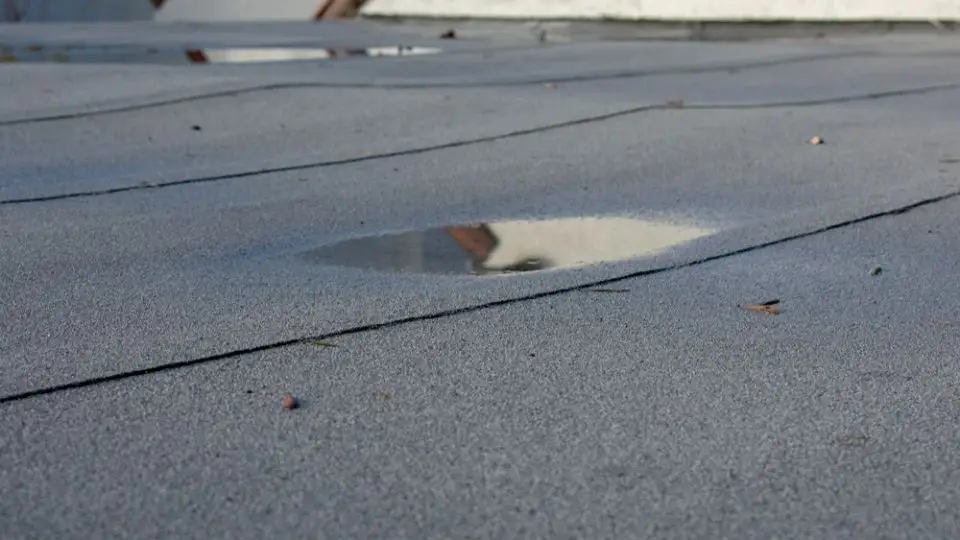
Ponding water is the most common cause of flat roof leaks. It forms when rain cannot run off quickly enough. Blocked drains, leaves, dust and plastic litter often cause it. Low spots in the roof surface can cause it too. Water that stays on a roof for more than 48 hours counts as ponding. The roofing specialists at Showalter Roofing explain that standing water speeds up membrane breakdown and forces moisture through seams. In addition, a pool of water adds heavy weight to the structure. The water also finds every pinhole in the waterproofing. For this reason, you should clear gutters, outlets and downpipes before each rainy season. After every big storm, check that the roof drains within a day or two.
Failed Flashing and Open Penetrations
Flashing seals the places where the roof meets walls, parapets and edges. Pipes, vents, solar mounts and aerials also pass through the roof, and each one is a possible leak point. Flashing fails when it is fitted badly, when the sealant dries out, or when movement pulls it loose. Roof penetrations should stay watertight with flashing, wraps, rain collars and pitch pans. You can read more about this in this guide on what causes a flat roof to leak. Many owners blame the membrane when a leak appears near a wall or pipe. In truth, the flashing is often the real culprit. Likewise, new work on the roof can damage old seals. Whenever a technician installs a solar geyser or satellite dish, ask them to reseal every fixing properly.
Sun, Heat and Thermal Movement
Zimbabwe’s strong sun is hard on roofing materials. Ultraviolet light dries out bitumen and many coatings. As a result, the surface cracks and blisters over time. UV rays lead to cracking and blistering, and eventually water gets in. The flat roof entry on Wikipedia explains how membranes are exposed to sun and weather. Heat also makes the roof expand during the day and shrink at night. This daily thermal cycling stresses rigid or poorly bonded membranes and can cause cracking and delamination. A South African flat roof waterproofing article describes the same problem on the Highveld, which has a climate similar to much of Zimbabwe. Flexible, UV-resistant systems cope with this movement far better than hard, brittle coatings.
Membrane Damage and Ageing
Every waterproofing membrane has a limited life. Foot traffic, dropped tools, falling branches and sharp objects can puncture it. Seams can also open where sheets overlap. Small punctures can let water enter and spread beneath the surface. The team at Nations Roof lists damaged membranes, failed seams and ageing materials among the top causes of leaks. Age matters too. Most flat roof systems start to deteriorate about 15 to 20 years after installation. In Zimbabwe, the hot sun often shortens that life if nobody maintains the roof. Therefore, inspect the surface at least once a year. Look for blisters, cracks, loose edges and bare patches where the protective layer has worn away.
Poor Installation and Lack of Maintenance
Even the best materials fail when the installer cuts corners. Common mistakes include a poorly prepared surface, a roof with too little fall, and thin coats of waterproofing. Others include skipped primer and rushed flashing details. In addition, many owners wait until water drips through the ceiling before acting. By then, the insulation and plaster are often wet. Regular care costs far less than major repairs. For example, a protective coating can extend the life of a bitumen roof. One South African waterproofing authority advises recoating the membrane every two to three years with a UV-reflective coating. You can read the full advice in this Engineering News article on waterproofing before the summer rains. Overall, a simple yearly routine protects the roof far better than emergency repairs.
Why the Drip Is Rarely Under the Hole
Many owners fix the wrong spot because water travels. It can run along the slab, a beam or the underside of the membrane before it appears inside. Consequently, the stain on your ceiling may sit metres away from the real opening. This is why patching the nearest crack often fails. A proper inspection follows the water back to its source. The inspector checks drains, flashing, seams and penetrations in turn. Sometimes they flood-test one section of the roof at a time. This method takes more effort, but it finds the true cause and saves you from repeated repairs. If the same ceiling stain returns after a repair, treat that as a warning that the real leak is still active.
How to Stop Flat Roof Leaks for Good
Start by keeping drains and gutters clear. Next, check all flashing and penetrations every year, especially before November. Then repair cracks and blisters early, before the rains arrive. If the membrane has reached the end of its life, replace it with a flexible, UV-stable waterproofing system. Choose a system that suits Zimbabwe’s heat and heavy storms. Finally, hire a contractor who prepares the surface properly and applies the full thickness the manufacturer specifies. A good installer also gives you a clear written scope, a warranty and advice on aftercare. Taking these steps keeps your building dry and your repair bills low.
Get Expert Help from Tusker Civils and Landscapes
At Tusker Civils and Landscapes, we diagnose and repair flat roof leaks across Bulawayo, Gauteng and beyond. Our team traces the real source of the leak, then fixes it with proven waterproofing methods. We also waterproof new roofs and plan maintenance so problems never return. Do you have a leaking flat roof, or do you want to protect a new one before the rains? Call or WhatsApp us on 078 095 8746. You can also email build@tuskercivils.com for a clear quote.