
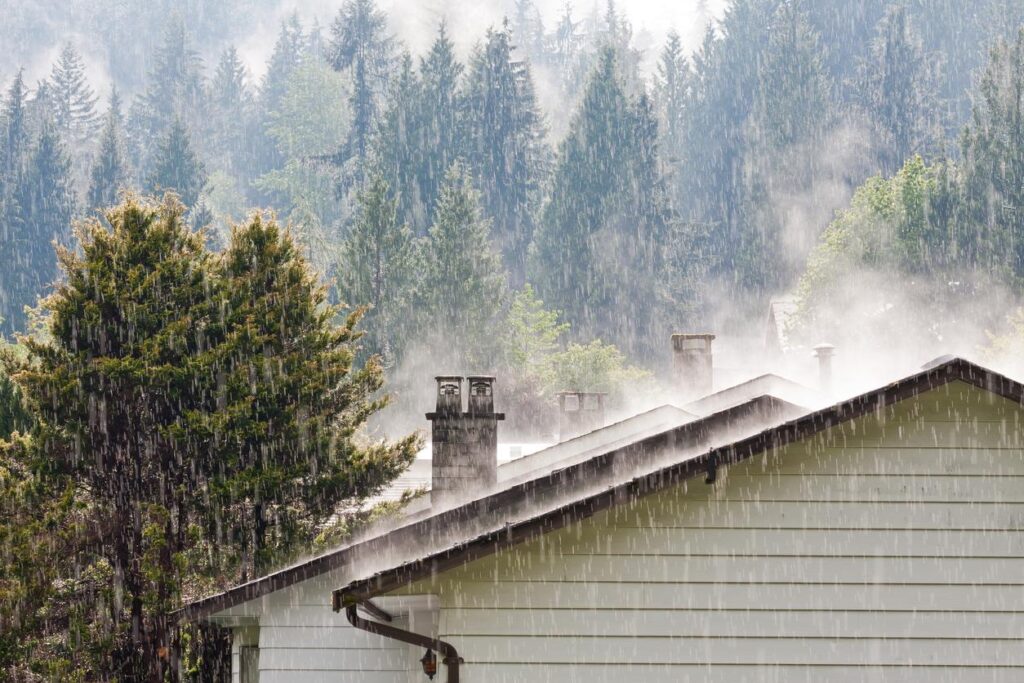
El Niño and Roof Leaks in Zimbabwe: How to Protect Your Roof in 2026/27
El Niño roof leaks may sound like a contradiction. After all, El Niño usually means less rain, not more. Yet a hot, dry season can quietly damage your roof. Zimbabwe’s Meteorological Services Department puts the chance of a super El Niño at 88 to 94 percent this season. Heat, dust and long dry spells weaken seals, loosen fasteners and strip protective coatings. Then the first serious storm exposes every weakness at once. In this guide, Tusker Civils & Landscapes explains what El Niño means for your roof. We also show how to find problems early and fix them before the rains arrive.
What El Niño Means for Zimbabwe in 2026/27
Forecasters expect a hotter, drier season. Government officials warned that a very strong El Niño could bring below-normal rainfall, long dry spells and warmer weather. They also stressed that rain will vary widely in timing and location. The national outlook expects a highly erratic start to the season. Much of the country may see no effective start to the rains. The comparison seasons, 2023/24 and 2015/16, both saw widespread onset failure. FEWS NET also expects above-average temperatures through at least January. For homeowners and businesses, that means weeks of strong sun and little relief. A roof that bakes for months behaves very differently from one that gets regular rain.
Why a Dry Season Still Causes Roof Leaks
Many owners relax when rain is scarce. That is a mistake. A roof does not need rain to deteriorate. Sun, heat and dust attack it every day, and the damage builds quietly. When rain finally arrives, the weak points fail together. Analysis reported by The Djeuce says the damage in an El Niño year depends on rainfall deficits and heat together. The same logic applies to your roof. Low rainfall removes the warning signs, while heat does the harm. You see no drips for weeks, so you assume everything is fine. Then one storm reveals stained ceilings, wet insulation and rusted fixings. Prevention before that first storm costs far less than repairs afterwards.
Heat, Expansion and Failing Seals
Metal roofs move. As the sheets heat up, they expand in every direction. At night they cool and contract. Over time, this daily movement can loosen screws and seams, which leads to leaks. A strong El Niño makes the problem worse because temperatures stay high for longer. Sealant around fasteners and laps stretches, hardens and cracks. Paint and old coatings chalk and peel under constant sunlight. Trade experts also note that thermal movement can split roof membranes and open splices. Flat roofs with torch-on or membrane finishes face the same risk. Small gaps then form at screws, overlaps and flashings. These gaps look harmless in summer, yet they let in wind-driven rain later.
Erratic Rain Is Still Rain
A dry forecast does not mean a dry season. Zimbabwe Farming reports that forecasters expect frequent dry spells through to March 2027. Dry spells, however, are broken by storms. Some districts in Matabeleland South and Masvingo could even receive near-normal rain in December. When a storm hits after weeks of dust and heat, the roof takes the full impact at once. Dust and debris block valleys and gutters. Water then backs up under laps and around fasteners. Old coatings that have chalked in the sun no longer shed water well. In short, an erratic season can test your roof harder than a steady one.
How El Niño Affects Different Roof Types
Each roof type fails in its own way. IBR and corrugated sheets suffer most from movement at fasteners and laps. Painted sheets can fade and chalk, which exposes the metal beneath. Flat concrete roofs with old bitumen or membrane can crack and blister in intense heat. Brittle membranes then split at joints and upstands. Tiled roofs can develop loose tiles and failed ridge mortar. Skylights, vents and pipe penetrations leak on every roof type, because their seals take the most punishment. Each roof therefore needs its own approach. That is why we inspect first and recommend second. A one-size-fits-all fix wastes money and often fails within a season.
Why Every Drop Counts: Leaks and Water Scarcity
In a drought year, rainwater becomes valuable. Many Bulawayo households and businesses harvest roof water into tanks. A leaking roof wastes that water before it reaches the gutter. Rusted, flaking surfaces can also dirty what you collect. A sealed, clean roof sends more of every shower into storage. Government is preparing too, having approved a six-pillar El Niño plan in September. Property owners can prepare in their own way. If you plan to drink harvested water, tell us before we start. We will then recommend products suited to that purpose. Protecting your roof therefore protects your water supply as well.
Warning Signs to Check Before the Rains
Walk around your property and look closely at the roof. Climb up only if it is safe, or use binoculars. Rust streaks, lifted sealant and loose or missing screws are early warnings. Look for chalky, faded or peeling paint on the sheets. Check the flashings around vents and walls for gaps. Inside, inspect ceilings for brown stains, bubbling paint and damp patches. Look at the underside of the sheets for daylight coming through. Finally, clear gutters, valleys and downpipes of leaves, dust and bird droppings. Photograph anything suspicious so you can show a contractor. Do not wait for a leak to confirm a problem. By then, water damage has often started.
Why Now Is the Best Time to Waterproof
Coatings and sealants need dry weather to cure properly. This season’s late and uncertain start to the rains gives you a rare window. Dry, warm days let surfaces dry out and coatings cure well. Crews also work faster without rain delays. Acting now means your roof is sealed before the first real storm. Waiting until the rains settle means rushed repairs, damp surfaces and longer delays. Contractors also get busy as soon as the first leaks appear. Booking early secures your slot and your preferred materials. It also lets you spread costs rather than face an emergency bill.
Waterproofing Options That Suit Hot, Erratic Seasons
A good system tackles heat and water together. First, we clean the roof and remove loose rust and failed sealant. Next, we treat the steel and replace damaged or loose screws. We then seal laps, ridges, flashings and fastener heads with flexible sealant. A reinforcing membrane goes over weak seams. Finally, we apply a UV-resistant acrylic coating across the roof. Light-coloured finishes reflect more sunlight, which keeps the sheets cooler and reduces expansion. Cooler sheets also mean a cooler building.
Spot repairs suit young roofs with isolated leaks. Older roofs with widespread rust or many failed seals need a full system. For flat roofs and slabs, torch-on membrane gives a tough, seamless barrier. We assess each roof honestly and recommend only what it needs.
The Cost of Waiting
Small leaks turn into large bills quickly. Water that enters at a fastener soaks purlins, insulation and ceiling boards. Damp then spreads into walls and electrical fittings. Mould follows, and it harms indoor air quality. Rusted sheets eventually need replacing instead of coating. Replacement costs several times more than waterproofing. Businesses also lose stock, equipment and trading days. Insurers may question claims where maintenance was neglected. Spending a little before the storm protects everything underneath. In a tough economic year, avoiding emergency repairs matters even more.
How Tusker Civils & Landscapes Can Help
Tusker Civils & Landscapes repairs and waterproofs metal and flat roofs across Bulawayo. Every job starts with a site inspection. We find the real cause of each leak, then explain it plainly. You receive a clear written quote and a sensible schedule. All materials are supplied and fixed by our own team, so one accountable crew handles everything. Our workers stay safe at height and keep your property tidy. We serve homes, farms, schools, churches, warehouses and commercial buildings. Silos, sheds and storage buildings are part of our work too.
Protect Your Roof Before the First Storm
El Niño may bring less rain, but it will not spare your roof. Heat, dust and erratic storms all work against old seals and tired coatings. Inspect your roof this week, and fix small defects before they grow. Call or WhatsApp Tusker Civils & Landscapes for a free site inspection and a clear quote. Let us make sure your roof is ready, whatever the season brings.
Recent Post:
- Silo Waterproofing in Zimbabwe: Protect Your Grain Before the Rains
- What are the causes of flat roof leaks in Zimbabwe?
- Silver Coat Protection Paint for Metal Roofs in Zimbabwe: A Complete Guide
- Why Metal Roof Waterproofing by Coating Is a Bad Idea.
- Pool Paving Zimbabwe: Non-Slip Patio Options for Hot Weather