
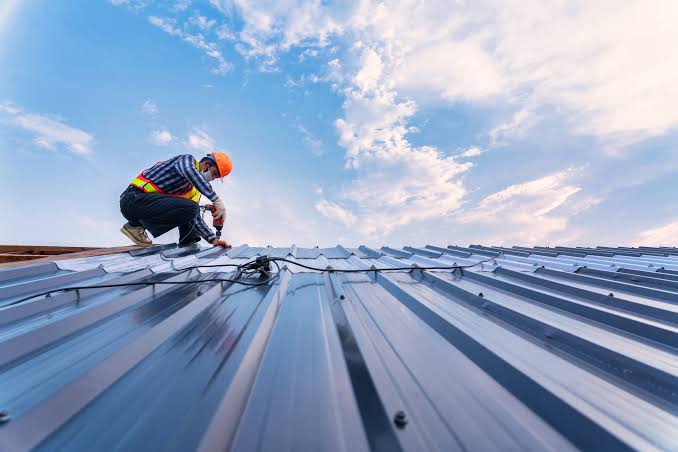
How Not to Waterproof a Metal Roof in Bulawayo
Metal roofs are everywhere in Bulawayo, from IBR-sheeted homes in Suburbs and Hillside to warehouse roofs across the city’s industrial areas. They’re durable, affordable, and well suited to Zimbabwe’s climate, but only when waterproofed correctly. If you get it wrong, a metal roof can quickly turn from an asset into a recurring repair bill. This post covers the mistakes we see most often on Bulawayo roofs, and what to avoid when waterproofing a metal roof in Bulawayo.
Why Waterproofing Mistakes Cost More in Bulawayo’s Climate
Bulawayo’s weather is harder on roof coatings than it looks. The rainy season, roughly October through March, brings sudden downpours and hail, while the dry months bring intense UV exposure and sharp day-to-night temperature swings. Metal expands and contracts constantly under these conditions, which puts real stress on any coating applied to it. A coating that fails quietly in a milder climate tends to fail fast and visibly here. That’s why the mistakes below aren’t just theoretical, they’re the specific reasons Bulawayo roofs develop leaks within a season or two of a poor waterproofing job.
Warning 1: Skipping Proper Surface Preparation
This is the single biggest cause of coating failure, and it isn’t close. Industry data suggests up to 90% of metal roof coating failures trace back to inadequate surface preparation, according to roofing professionals interviewed by Metal Construction News. Dust, old paint residue, and processing oils left on the metal stop the coating from bonding properly, and a coating that doesn’t bond will eventually peel, crack, or blister. In Bulawayo’s dusty dry season, this risk is even higher if a roof is cleaned once and coated days later, rather than cleaned immediately before application.
Warning 2: Coating Over Rust and Corrosion Without Treating It First
A fresh coat of waterproofing paint over visible rust might look fine on the day, but it doesn’t stop the corrosion underneath. According to Roof Hugger’s guidance on metal roof coating missteps, corrosion is a structural issue as much as a cosmetic one, and severe corrosion around panel laps, fasteners, and roof penetrations can compromise the roof’s structural integrity long before it becomes visible from the ground. On older Bulawayo properties with roofs dating back decades, this is one of the most common warnings we give clients: treat and prime the affected metal first, or the coating is only hiding the problem, not fixing it.
Warning 3: Ignoring the Manufacturer’s Application Instructions
Every waterproofing coating is formulated for specific conditions: a particular cure time, a particular surface temperature range, a particular number of coats. Skipping these details to save time is a common shortcut with expensive consequences. As Chamberlin’s technical guidance on roof coating failures explains, unauthorised thinning of a coating can interfere with how it cures and bonds to the surface, weakening the finished product even when the application looked fine on the day. If a contractor can’t tell you the manufacturer’s specified coat count and cure time for your roof, that’s a warning sign before work even starts.
Warning 4: Applying Coating in the Wrong Weather Conditions
Bulawayo’s climate creates a narrow window for correct application. Coating applied just before rain, in direct midday heat, or onto a roof still carrying morning dew is far more likely to fail early. Moisture trapped beneath a coating is one of the most common causes of adhesion failure and peeling, according to roofing contractor guidance summarised by RoofCrafters. A rushed job to “beat the rain” during Bulawayo’s wet season often does more harm than waiting a day for the right conditions. This is one of the things to avoid when waterproofing a metal roof.
Warning 5: Using a Coating Not Designed for Metal Substrates
Not every waterproofing product is compatible with every roofing material. A coating designed for concrete, brick, or a different metal type can result in poor adhesion and early failure on a Zimbabwean IBR or corrugated iron roof. This is a specific, avoidable warning: always confirm the product is specified for metal roofing before it goes anywhere near your roof, and check that it suits the particular metal substrate involved.
Warning 6: Neglecting Roof Penetrations, Laps, and Ridge Detailing
Flat, open sections of roof are rarely where leaks start. It’s the details, ridge cappings, pipe penetrations, vents, and panel end laps, where water finds a way in. Detailed technical guidance from the Liquid Roofing and Waterproofing Association notes that poor detailing around roof projections is often a design fault that needs correcting before any coating is applied, not something a coating alone can fix. Skipping these details to focus on the visible flat areas is one of the most common warnings we raise with clients who’ve had previous work done elsewhere.
Warning 7: Treating a Coating as a Structural Fix
A waterproof coating protects a sound roof. It does not repair one. Where corrosion has caused genuine structural weakening, no coating product will restore the roof’s strength, and treating it as though it can is a genuine safety risk, not just a cosmetic one. As noted in failure analysis work published by Chemical Dynamics, roof coating failures often trace back to a combination of poor surface preparation, material defects, and environmental exposure working together, which is exactly why a proper site assessment matters more than a quick paint job.
Get It Right the First Time
Every warning above shares the same root cause: rushing the preparation and detail work to get to the visible, satisfying part of the job, applying the coating. In Bulawayo’s climate, that shortcut shows up fast, usually within a single rainy season. Proper metal roof waterproofing starts with an honest assessment of the roof’s condition, correct surface preparation, the right product for the substrate, and careful attention to every penetration and lap, not just the open panels.
Tusker Civils and Landscapes has handled metal roof waterproofing across Bulawayo and throughout Zimbabwe long enough to know exactly where these jobs go wrong and how to avoid it. If your roof is showing early signs of coating failure, or you’d rather avoid these mistakes from the outset, get in touch for a proper site assessment before any work begins.
What a Proper Waterproofing Job Should Look Like Instead
Every warning above has a straightforward fix, and none of them are complicated in isolation. A correctly waterproofed metal roof starts with a physical inspection, not a quote based on a photo. The contractor should check for corrosion, loose fasteners, and damaged flashing before mentioning coating products at all. Surface preparation should include a full clean, degreasing where needed, and time to dry properly, not a rushed wipe-down on the morning of application.
The coating itself should be specified for metal, matched to your roof’s exact substrate, and applied according to the manufacturer’s stated coat count and cure time, in weather conditions that actually allow it to cure correctly. Penetrations, laps, and ridge details need direct attention, often with additional reinforcement or sealant work beyond the coating itself. None of this takes dramatically longer than doing it poorly. It just requires a contractor who treats each step as necessary rather than optional.
This is also where local experience matters more than it might seem. A coating schedule that works in a milder, more temperate climate can fail here simply because Bulawayo’s heat, UV exposure, and sudden seasonal downpours are more demanding on materials. Knowing how local weather patterns interact with a specific coating product isn’t something you can substitute with a generic international guide, it comes from having done the work on Bulawayo roofs across multiple seasons.
If you’re budgeting for roof waterproofing and want to know what a proper job actually costs versus what a shortcut version costs, ask any contractor quoting you to walk through their surface preparation process and their chosen product’s manufacturer specification sheet. A contractor who can’t answer either question in detail is telling you, indirectly, which of the seven warnings above you’re about to run into.
Recent posts
- What Are The Common Causes of Leaks on Metal Roofs in Zimbabwe?
- How Much Is Roof Leak Repair In Zimbabwe For Different Types Of Roofs?
- Metal Roof Leak Waterproofing in Bulawayo: Tips To Follow
- Surface Waterproofing Vs Concrete Additives: Which Works Best?
- Common Causes Of Foundation Cracks In Bulawayo And How To Fix Them