
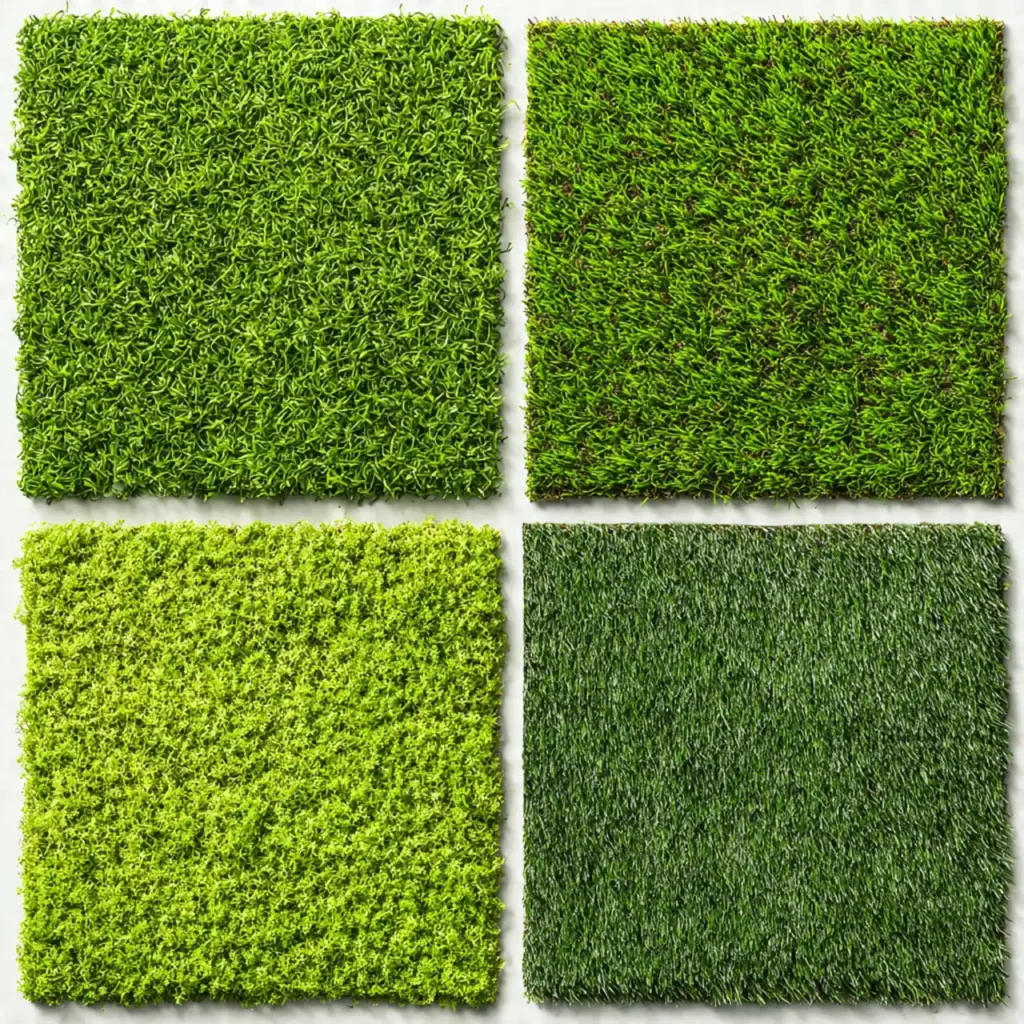
How Much Water Can Artificial Grass Save Compared to Natural Lawns in Bulawayo?
Bulawayo homeowners know the struggle. You want a green, healthy garden. But the city’s water supply cannot always keep up with that dream. So the question comes up again and again: does artificial grass in Bulawayo actually save more water than a natural lawn, or is that just a sales pitch?
This post breaks down the real numbers, the real trade-offs, and the real climate pressures behind that question. By the end, you will know exactly which option fits your property, your water bill, and your lifestyle.
Bulawayo’s Water Reality Makes This Question Urgent
Bulawayo has faced water rationing for years. The city depends on a handful of supply dams in the Umzingwane catchment area, and several of those dams have sat at critically low levels in recent seasons. As a result, council has had to ration household water for extended periods. You can read more about the scale of this challenge in this AllAfrica report on Bulawayo’s water sources.
Against that backdrop, every litre used on a garden matters. A thirsty lawn is no longer just a maintenance headache. It is a resource decision. That is exactly why so many Bulawayo homeowners are now comparing artificial turf against traditional grass before their next landscaping project.
How Much Water Does a Natural Lawn Really Use?
Natural lawns are living plants, and living plants need consistent water to survive. During Bulawayo’s hot, dry months, a standard lawn can require watering several times a week just to stay green. Add wind, direct sun, and sandy topsoil, and evaporation takes even more of that water before it ever reaches the roots.
Beyond watering, natural lawns bring ongoing costs. Mowing, fertilising, weeding, and reseeding all add up over a year. During drought periods or load-shedding, keeping a borehole pump running for irrigation becomes another burden entirely. Even well-established grass varieties like Kikuyu or LM Berea, which tolerate heat reasonably well, still need meaningful irrigation to stay lush rather than patchy and brown.
If you already have a natural lawn and want to reduce its thirst, a properly designed system still makes a difference. Tusker’s irrigation services in Bulawayo use drip lines, smart controllers, and borehole integration to cut waste significantly compared with old-fashioned hosepipe watering.
Artificial Grass: The Water-Free Alternative
This is where synthetic turf changes the equation entirely. Once installed, artificial grass needs no watering at all. There is no root system to sustain, so there is no ongoing demand on your borehole, municipal supply, or JoJo tank. For a city where water security cannot be guaranteed, that alone makes artificial grass a serious contender.
Tusker’s artificial grass installations in Bulawayo use UV-stabilised turf built to handle Zimbabwe’s intense sun without fading or breaking down. The surface stays green through the driest months, whether it is October heat or a dry winter, because it never depends on rainfall or irrigation in the first place.
What Artificial Grass Saves You Beyond Water
Water is only part of the picture. Once the turf is laid, mowing disappears from your weekend routine. Fertiliser and pesticide costs drop to zero. There are no brown patches after a hosepipe ban, and no re-turfing bills after a bad drought season. For rental properties, schools, and commercial sites, that lower maintenance load often matters just as much as the water savings themselves.
Comparing the Two Side by Side
When you place the two options next to each other, the pattern becomes clear. Natural lawns require continuous water input to stay healthy, particularly through Bulawayo’s dry season, while artificial grass requires none after installation. Natural lawns also demand recurring spend on mowing, feeding, and pest control, whereas artificial grass mainly needs the occasional rinse to clear dust and debris.
However, natural lawns do offer benefits that synthetic turf cannot fully replicate. They cool the surrounding air through evapotranspiration, support small soil ecosystems, and give that unmistakable natural texture underfoot. If your property has reliable irrigation and you enjoy garden maintenance as a hobby, a well-managed natural lawn can still work beautifully. For many properties, a hybrid approach also works well — Tusker’s instant lawn installations in Bulawayo suit shaded, high-traffic, or smaller garden zones, while artificial grass covers the areas that would otherwise demand the most water.
When Natural Lawn Still Makes Sense
Not every property should switch to synthetic turf. Large estates with boreholes and established irrigation infrastructure may find that a natural lawn, paired with an efficient irrigation design, still meets their needs without straining the household budget. Shaded gardens under mature trees also tend to retain moisture better and need less frequent watering than an exposed, sun-baked lawn area.
The right choice really depends on your site conditions, your water access, and how much time you want to spend on upkeep. That is a conversation worth having with a landscaping team that knows Bulawayo’s soil and climate firsthand.
Making the Switch in Bulawayo
If reducing your water usage is the priority, artificial grass is the clear winner. It eliminates irrigation demand completely, holds its colour through the dry season, and cuts long-term maintenance costs. Pairing artificial grass with smart landscaping choices, such as a green wall feature for added greenery without extra ground-level watering, lets you build a garden that looks lush without draining your water supply.
Tusker Civils & Landscapes has spent 16 years working on civil and landscaping projects across Bulawayo, and our team understands exactly how local soil, heat, and water restrictions affect every lawn decision. Read more about our approach to landscaping and civil work in the city.
Final Verdict
Artificial grass saves significantly more water than a natural lawn in Bulawayo’s dry climate. It removes irrigation from the equation, survives the harshest months without stress, and cuts the ongoing costs that come with keeping natural grass alive under water restrictions. Natural lawns still have a place, especially on well-irrigated or shaded properties, but for most Bulawayo homeowners facing unpredictable water supply, synthetic turf is the safer long-term investment.
Ready to find out which option suits your property? Contact Tusker Civils & Landscapes today for a free, no-obligation consultation on artificial grass, instant lawn, and irrigation solutions in Bulawayo.
Latest Posts:
Commercial vs Residential Waterproofing in Bulawayo: Key Differences in Materials and Approach
Basement and Foundation Waterproofing Solutions for Bulawayo Properties