
Protecting Your Property from Moisture Damage
Water is patient. It finds the smallest crack in a foundation wall and, over months or years, turns that crack into a structural problem. For Bulawayo homeowners and property managers, foundation waterproofing in Bulawayo is not a luxury upgrade. It is the difference between a stable, dry building and one that slowly loses value to damp, mould, and cracking walls. In this guide, we break down why basements and foundations fail, how to spot the early warning signs, and what a proper waterproofing solution actually involves.
Why Bulawayo Properties Are Vulnerable to Water Damage
Bulawayo’s climate swings between long dry spells and short, intense rainy seasons. Because rain arrives in concentrated bursts, the soil around a foundation can saturate quickly. This saturated soil then pushes against foundation walls with real force, a phenomenon known as hydrostatic pressure. Once that pressure builds up, it drives water through hairline cracks, construction joints, and even through porous, poorly cured concrete.
Older Bulawayo suburbs add another layer of risk. Many homes were built decades ago, often without a damp-proof course or with a course that has since failed. As soil settles and drainage patterns shift over the years, foundations that were fine for decades can suddenly start letting water through. Consequently, a property that has never had a water problem before can develop one seemingly overnight after a particularly heavy rainy season.
Rising Damp Versus Hydrostatic Pressure: Know the Difference
Homeowners often use “damp” and “waterproofing” interchangeably, but they describe two different problems. Rising damp happens when moisture travels upward through masonry via capillary action, usually because the damp-proof course at foundation level has failed or was never installed correctly. It shows up as a tide mark near skirting level, flaking paint, and a musty smell in lower rooms.
Hydrostatic pressure, on the other hand, is a heavier-duty problem. It occurs below ground, where standing or moving groundwater actively pushes against basement walls and slabs. Because the pressure is constant rather than just capillary movement, it demands a stronger waterproofing system rather than a simple damp-proof injection. Our team assesses each property individually on our waterproofing services page to determine which problem you are actually facing, since treating hydrostatic pressure like rising damp almost always leads to a repeat failure.
Early Warning Signs You Shouldn’t Ignore
A failing foundation rarely announces itself with a flood. Instead, it whispers first. Look for a faint musty smell in a basement or lower room, since this often shows up before any visible moisture appears. White, powdery efflorescence on brick or block walls is another early clue, as it forms when water carries mineral salts to the surface and leaves them behind once it evaporates.
Hairline cracks in foundation walls deserve attention too, especially if they widen after rain or run horizontally rather than vertically. Peeling paint, bubbling plaster, and a persistent cool dampness in a room that should stay dry all point toward moisture moving through the structure. If you notice any of these signs, addressing them early keeps the repair simple. Waiting until water actively pools on a basement floor turns a modest job into a major, disruptive one.
How Tusker Civils Approaches Basement and Foundation Waterproofing
Every waterproofing project starts with proper diagnosis, not a quick coat of sealant. Our team inspects the affected walls, checks external grading and drainage, and identifies whether the property is dealing with rising damp, hydrostatic pressure, or both. From there, we design a system suited to Bulawayo’s soil and rainfall patterns rather than applying a one-size-fits-all fix.
For foundation and below-ground work, we typically combine external excavation, a bitumen or polymer-based waterproofing membrane, and improved surface drainage so water moves away from the structure instead of pooling against it. Where hydrostatic pressure is severe, drainage solutions similar to the French drain systems described by This Old House help relieve pressure at the source rather than simply trying to seal against it. For rising damp at ground level, we use chemical damp-proof course injection paired with replastering, since old salt-contaminated plaster cannot properly hold a new finish.
Foundation waterproofing rarely stands alone. It usually connects to broader structural work, which is why our concrete services team is often involved from the start, particularly when a foundation needs crack repair or a new slab detail before waterproofing begins. This integrated approach means one contractor manages the whole job, so nothing gets lost between separate trades.
What the Process Looks Like on Site
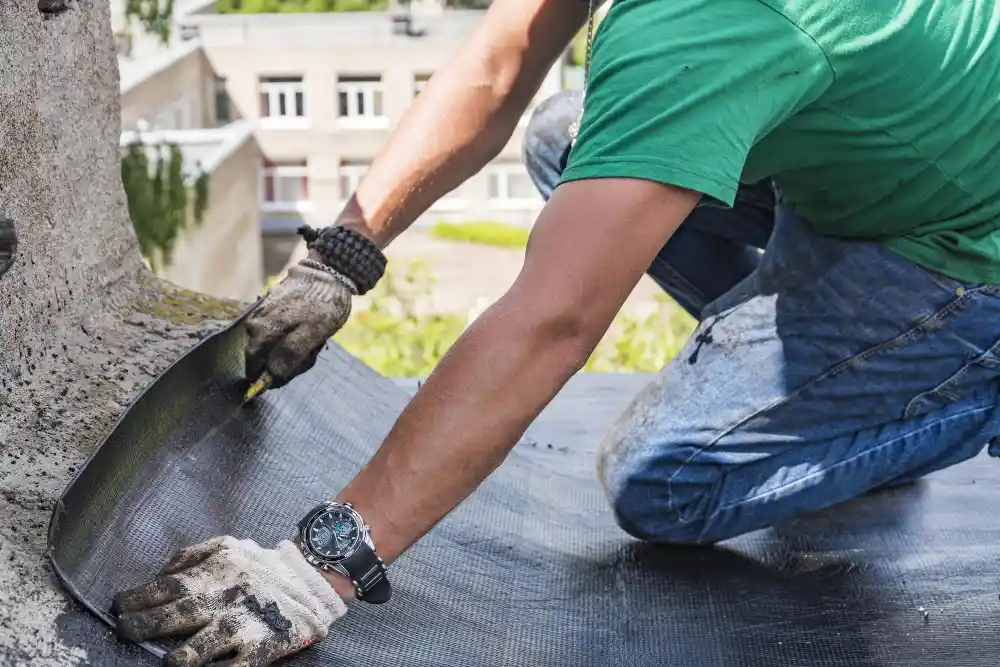
A typical foundation waterproofing project begins with excavation along the affected wall, exposing the foundation down to footing level. We then clean and prepare the surface before applying the membrane system, taking extra care around pipe penetrations and corners where leaks most often start. Drainage board and gravel backfill follow, directing water down toward a drainage outlet rather than back against the wall.
Timelines vary by scope, but homeowners should expect several days of excavation and application work, plus a curing period before backfilling is completed. We communicate a clear schedule before work starts, so you know exactly what to expect and when your garden or driveway will be reinstated. We’ve applied this same careful, sequenced approach on projects across suburbs like Burnside, where basement tanking and structural protection go hand in hand with the area’s established homes.
Protecting Your Investment for the Long Term
A dry foundation protects more than your basement. It protects your home’s structural integrity, its resale value, and the health of everyone living inside it, since persistent damp contributes to mould growth and poor indoor air quality. Waterproofing done correctly, with the right diagnosis and the right materials for Bulawayo’s soil and climate, should last for decades rather than years.
If you’ve noticed early signs of damp, cracking, or a musty smell in a lower-level room, don’t wait for the next rainy season to find out how serious the problem has become. Learn more about our team and approach on our About page, or get in touch for a free, on-site assessment. Our team will diagnose the real cause and recommend a solution built to keep your property dry, protected, and structurally sound for years to come.
Latest Posts:
Swimming Pool and Wet Area Waterproofing in Bulawayo: Preventing Leaks and Cracks
What a Leaking Roof Is Really Costing You: Mould, Wiring Damage, and Falling Property Value