
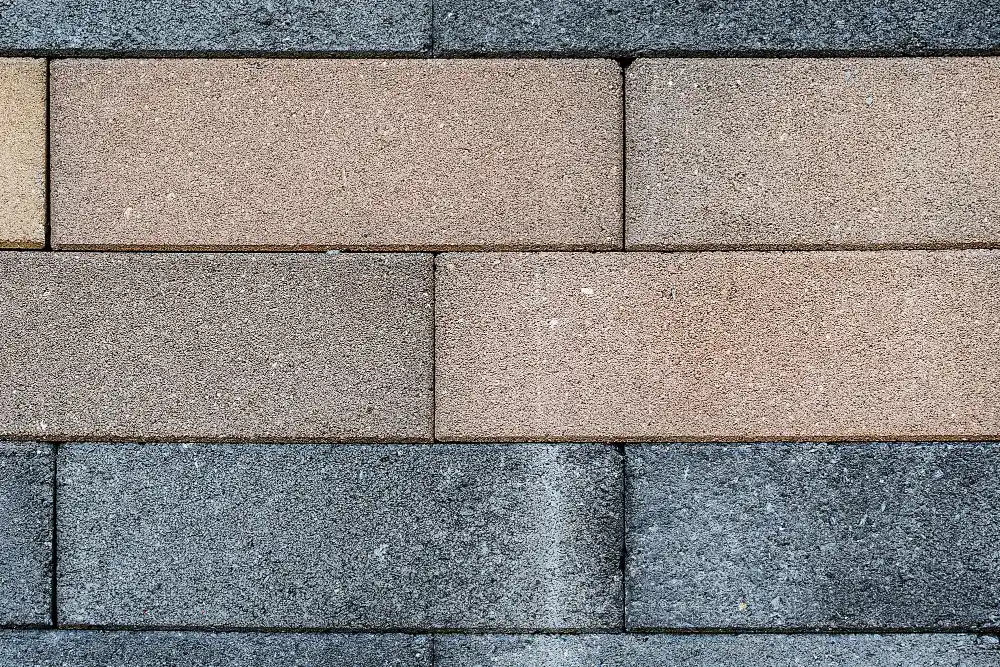
Which Is More Durable in Zimbabwe’s Climate: Brick Paving or Concrete Paving?
Choosing the right paving material is a major decision for property owners in Bulawayo, Zimbabwe. Whether you are upgrading a residential driveway, commercial parking area, or garden pathway, durability matters. Zimbabwe’s climate presents unique challenges. Intense sunlight, seasonal rains, and shifting soils can all affect paving performance over time.
At Tusker Civils & Landscapes, we install both brick and concrete paving across Bulawayo. Clients often ask one important question: Which lasts longer in Zimbabwe’s climate — brick paving or concrete paving?
The answer depends on several factors. Let’s compare both options in detail and determine which delivers the best long-term value for Bulawayo property owners.
Understanding Zimbabwe’s Climate and Its Impact on Paving
Bulawayo experiences hot summers, heavy seasonal rainfall, and long dry periods. These conditions place constant stress on outdoor surfaces throughout the year.
During the rainy season, water can penetrate poorly installed paving. Standing water weakens the sub-base over time, leading to uneven surfaces and premature cracking. During dry months, the clay-heavy soils common in Bulawayo can shrink and shift, causing settlement beneath paving systems that were not properly compacted during installation.
Temperature fluctuations also play a role. Surfaces that expand under the midday heat and contract during cooler nights gradually weaken at their joints and edges if the installation does not account for this movement.
As a result, choosing the right paving material and ensuring professional installation are equally important decisions. Neither factor alone is enough to guarantee a long-lasting surface.
A properly installed paving system starts with correct ground preparation and base compaction. This foundation determines how well the surface performs over the years — often far more than the material choice itself.
Learn more about Tusker’s professional Paving Services in Bulawayo.
What Is Brick Paving?
Brick paving uses clay bricks manufactured through a high-temperature firing process. The firing binds the clay into a dense, hard unit with excellent compressive strength. These pavers offer a traditional appearance and natural colour variations that many homeowners and architects prefer for period-style or upmarket properties.
Advantages of Brick Paving
Brick paving provides outstanding aesthetic appeal. The colour runs through the entire brick rather than sitting on the surface, so it does not fade easily under Zimbabwe’s harsh sun. Even after years of exposure, brick paving retains much of its original warmth and character.
Brick pavers also resist staining well. Oil, tyre marks, and general grime are easier to remove from dense clay surfaces than from more porous alternatives.
One of the most practical advantages is repairability. If one brick becomes damaged, cracked, or stained beyond cleaning, contractors can lift and replace that single unit without disturbing the surrounding area. This makes long-term maintenance straightforward and cost-effective.
Many older properties across Bulawayo and other Zimbabwean cities still feature original brick paving that has remained functional and attractive for decades. This is a strong indicator of the material’s long-term performance in local conditions.
Challenges of Brick Paving
Brick paving typically costs more than concrete alternatives, both in material and installation time. The labour involved in laying individual bricks precisely is greater than placing larger concrete pavers.
Colour options are also more limited. Clay bricks come in earthy reds, browns, and buffs. Homeowners seeking a broader palette may find concrete more versatile.
Some clay bricks may chip or crack under very heavy vehicle traffic if the base preparation is inadequate or if the bricks themselves are of lower quality. Specifying the correct brick grade for the intended application is essential.
What Is Concrete Paving?
Concrete paving uses moulded concrete blocks manufactured in a wide variety of colours, sizes, thicknesses, and surface textures. It remains one of the most popular paving solutions across Zimbabwe due to its versatility, availability, and affordability.
Advantages of Concrete Paving
Concrete pavers offer excellent strength and load-bearing capacity. Thicker units rated for heavy-duty use perform exceptionally well for driveways, parking areas, commercial yards, and industrial applications.
Property owners enjoy a far wider range of colours, finishes, and laying patterns than brick allows. Tumbled, smooth, textured, and exposed aggregate finishes are all available. This flexibility makes it easier to match or complement existing landscaping features, boundary walls, and garden designs.
Modern concrete paving products are engineered to withstand significant traffic and prolonged weather exposure. Reputable manufacturers test their products for compressive strength, water absorption, and freeze-thaw resistance — all qualities that contribute to long-term durability.
Concrete paving is also generally quicker to install, which can reduce overall project costs on larger sites.
Challenges of Concrete Paving
Over time, some concrete pavers may experience colour fading due to prolonged UV exposure. The surface pigments in concrete are more susceptible to bleaching than the natural colour baked into clay bricks.
Lower-quality concrete products can suffer surface wear and spalling if exposed to heavy traffic, poor drainage, or the use of harsh cleaning chemicals.
However, selecting quality materials from reputable suppliers and investing in professional installation greatly reduces these risks. Well-made concrete pavers from established manufacturers perform reliably for many years in Bulawayo’s conditions.
Brick vs Concrete Paving: Which Lasts Longer?
The lifespan of both paving systems depends on several interconnected factors: installation quality, ongoing maintenance, drainage design, sub-base depth, and traffic loads.
In most residential applications, properly installed brick paving can last between 30 and 50 years. Concrete paving typically delivers a lifespan of 25 to 40 years under similar conditions.
Brick holds a slight advantage in terms of colour retention and long-term appearance. Because the colour is natural and baked into the clay during firing, fading occurs very slowly even under years of direct sun.
Concrete paving, however, often performs better under heavier and more concentrated loads. Its availability in thicker, high-strength grades makes it the preferred choice for commercial projects, truck access areas, and high-traffic driveways.
For most Bulawayo homeowners, both options provide decades of reliable, low-maintenance service when installed correctly by an experienced contractor.
Which Option Is Better for Bulawayo Driveways?
For residential driveways, either material performs well when supported by a properly compacted sub-base and well-designed drainage.
If appearance, tradition, and long-term colour stability are your priorities, brick paving offers excellent value and a timeless look that suits both older and newer Bulawayo properties.
If you want more design flexibility, a broader colour palette, and a cost-effective solution for a larger area, concrete paving is often the stronger choice.
For commercial applications, high-traffic areas, or sites that need to carry heavy vehicles, concrete paving in an appropriate thickness and grade is generally recommended.
At Tusker Civils & Landscapes, we help every client choose the most suitable paving material based on their budget, intended usage, soil conditions, and property style. We never apply a one-size-fits-all approach.
You can also explore our broader range of civil construction and landscaping services:
- Home
- Paving Services
- Waterproofing Services
- Torch-On Waterproofing Solutions
- Green Wall Installation Services
The Importance of Professional Installation
Even the best paving material will fail prematurely if installed incorrectly. This is one of the most important points we communicate to clients before any project begins.
Proper excavation removes weak or unstable topsoil and creates a consistent formation level. A correctly specified and compacted sub-base — typically crushed stone or gravel — distributes loads evenly and prevents differential settlement. Edge restraints keep the paving pattern locked in place and prevent edge creep over time. Adequate drainage gradients ensure that water moves away from the surface efficiently rather than pooling and penetrating the base.
Each of these steps contributes directly to how long your paving will last. Skipping or cutting corners on any one of them increases the risk of early failure significantly.
According to the Interlocking Concrete Pavement Institute, proper installation practices significantly extend pavement lifespan and reduce long-term maintenance requirements.
Similarly, the Concrete Centre highlights the critical role of correct sub-base design and drainage detailing in achieving durable long-term paving performance.
Why Choose Tusker Civils & Landscapes for Paving in Bulawayo?
Tusker Civils & Landscapes combines years of local experience with professional workmanship and a genuine commitment to quality. We understand Bulawayo’s soil conditions, seasonal rainfall patterns, and civil construction requirements in a way that generalist contractors often do not.
Our team manages every stage of the paving process in-house. From initial site assessment and ground preparation through to final surface finishing and clean-up, we ensure every project meets the highest standards of workmanship and client satisfaction.
We work across residential and commercial projects of all sizes — from small garden pathways and courtyard areas to large driveways, parking facilities, and commercial yard surfaces.
Whether you choose brick paving or concrete paving, you can expect surfaces that are built to perform reliably under Zimbabwe’s climate conditions for many years to come.
Conclusion
When comparing brick and concrete paving in Zimbabwe, both materials offer excellent durability and long-term performance. Brick paving generally lasts slightly longer and maintains its natural colour exceptionally well under UV exposure. Concrete paving provides greater design flexibility and outstanding performance under heavier loads and in commercial settings.
The right choice ultimately depends on your property’s specific needs, your aesthetic preferences, your budget, and the nature of the traffic the surface will carry. What matters most, however, is the quality of the installation. Professional workmanship, correct sub-base preparation, and proper drainage will always have a greater impact on paving longevity than the choice of material alone.
Request Your Free Paving Quote in Bulawayo
Looking for experienced paving contractors in Bulawayo?
Contact Tusker Civils & Landscapes today for a free site visit and detailed quotation. We will assess your site conditions, discuss your requirements, and recommend the most suitable paving solution for your property and budget.
Recent Posts:
The Best Paving Options for Bulawayo Driveways in 2026 — Cost, Durability & Style Compared
The Complete Guide to Green Wall Installation in Bulawayo and Harare
Waterproofing Membranes: A complete guide for Bulawayo
Torch-on Waterproofing and when to use in Bulawayo