
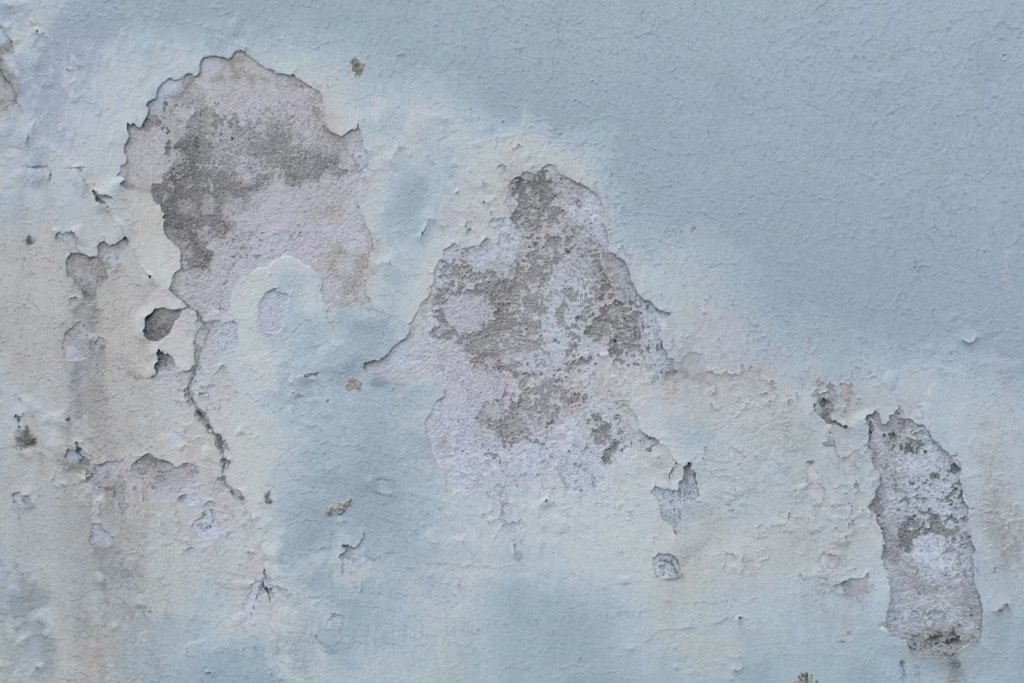
Why Paint Is Peeling Off Your New House
Paint peeling off a new house is a frustrating problem. You paid good money for a fresh build, yet the walls already look tired. Many home owners in Bulawayo notice this within the first two years. The good news is that the cause is usually easy to find. In this guide, we explain why paint peels off new houses in Bulawayo. We also show you how to fix it and stop it from returning.
Why Paint Peeling Off a New House Is So Common
Peeling paint rarely means the paint itself is bad. Instead, it means the paint has lost its grip on the wall. Paint needs a clean, dry and stable surface to bond well. If any of these three things is missing, the paint film lifts away. First, small blisters appear. Then the paint cracks and curls into flakes.
New houses face extra risk. Builders often work to tight deadlines, so some steps get rushed. Walls may still hold moisture from the bricks and plaster. Meanwhile, Bulawayo’s weather puts constant stress on exterior coatings. Hot, bright days follow heavy thunderstorms. Together, these swings test every layer of your paint system.
Understanding the cause matters before you repaint. Otherwise, you will repeat the same costly mistake. Let us look at the main culprits one at a time.
How to Read the Signs on Your Walls
The way paint fails gives you useful clues. Blisters or bubbles usually point to trapped moisture. Flaking in large sheets often means poor surface preparation. A chalky powder on the surface suggests weak or cheap paint. White salt marks show that alkaline salts are pushing through the wall.
Take a few minutes to walk around your house. Check each wall in daylight. Note where the damage is worst. For example, peeling near the base of walls often signals rising damp. Peeling under windows may mean leaking seals. Write down your findings, because they help a specialist diagnose the problem faster.
Moisture Trapped Inside the Walls
Moisture is the number one reason for peeling paint. Water pushes outward from inside the wall and lifts the paint film. You will often see bubbles first. When you press them, they feel soft or damp.
Water can enter your walls in several ways. Rising damp is one route. It happens when ground water travels up through the bricks because the damp-proof course is missing or damaged. Leaking pipes inside walls are another source. Likewise, faulty gutters and blocked downpipes can soak walls from above.
Some signs make the problem easy to spot. Look for dark patches near the floor or around windows. Also notice whether the peeling gets worse after heavy rain. If so, water is almost certainly the cause. In that case, repainting alone will not help. You must stop the water first.
Painting Over Fresh Plaster Too Soon
New plaster and cement render contain a lot of water. They also release alkaline salts as they dry. These salts attack paint from underneath. As a result, the paint blisters and flakes within months.
Most paint makers advise waiting until the plaster has fully cured. Many suggest about four weeks, although thick coats may need longer. Always read the instructions on your paint tin. Bulawayo’s dry air can fool you here. The surface may feel dry in days, yet the inner layers stay damp.
Some builders skip the waiting period to finish on time. Others use the wrong primer. An alkali-resistant primer is essential on fresh plaster. It blocks the salts and gives the topcoat a stable base. Therefore, ask your contractor which primer they used. If they cannot answer, that is a warning sign.
Poor Surface Preparation
Even perfect plaster fails under poor preparation. Dust, grease and loose sand weaken the bond between wall and paint. The paint sticks to the dust rather than the wall. Then it peels away in sheets.
Good preparation takes time. Painters should brush off loose particles and wash away dirt. They should fill cracks and sand rough patches. Afterwards, the wall must dry completely before painting begins. Skipping any of these steps shortens the life of your paint.
Mould and algae also cause trouble. They grow on damp, shaded walls. Painting over them traps the growth and weakens adhesion. Treat these areas with a fungicidal wash first. Next, let the wall dry fully.
Application mistakes matter too. Thinning paint too much weakens the film. Painting in direct midday sun makes paint dry too fast. As a result, it cannot bond properly.
Using the Wrong Paint for Bulawayo’s Climate
Not every paint suits every wall. Interior paint on an exterior wall will peel quickly. Cheap paint with low binder content also fails early. Exterior walls in Bulawayo face strong sunlight, heat and sudden downpours. Therefore, you need a quality exterior acrylic paint built for these conditions.
Local choice is wide. For example, Astra Paints is a major Zimbabwean paint maker. Coatings World reports that it runs a factory in Bulawayo. Buying locally made products can also make technical advice easier to get. Always choose a complete system. That means a primer, undercoat and topcoat from compatible ranges. Read the label on the tin, too. It should state the surface type, coverage and recoat time. If the label does not mention exterior use, choose another product.
Quality marks matter as well. The Standards Association of Zimbabwe is the national standards body, as its ISO member profile explains. In a Herald interview, an SAZ official urges shoppers to check for the SAZ stamp on products. Doing so helps you avoid substandard paint.
Rain, Heat and Waterproofing Gaps
Bulawayo’s rainy season can be intense. The Herald once reported a record downpour in the city centre, with 29mm falling in just 20 minutes. Rain like this drives water into every weak spot. Hairline cracks, poor window seals and unsealed parapets all let it in.
The Meteorological Services Department has also issued warnings for the city. According to NewsDay, it forecast rainfall above 70mm in Bulawayo. It also noted that some areas are prone to flash floods. Forecasts help you plan. A recent seasonal outlook reported by allAfrica stresses that rainfall can vary from month to month. Therefore, schedule exterior painting for dry spells, and prepare your walls before the rains begin. Waterproofing is the missing layer in many new builds. Flat roofs, balconies, parapet walls and wall-to-slab joints all need proper membranes. Without them, water seeps in and pushes the paint off from behind. At Tusker Waterproofing, we often find that hidden water is the real problem, not bad paint.
How to Fix Peeling Paint the Right Way
Fixing peeling paint takes more than a fresh coat. First, find and fix the source of moisture. Repair leaking pipes, clear gutters and seal cracks. Where rising damp is present, you may need a damp-proof treatment. Then allow the wall to dry fully. This can take several weeks. Next, scrape away all loose paint with a stiff scraper. Sand the edges until they feel smooth. Wash the wall and let it dry. After that, apply a suitable primer. Use an alkali-resistant primer on fresh plaster. Fill cracks with a flexible exterior filler.
Finally, apply two coats of quality exterior paint. Allow proper drying time between coats. Paint in mild weather, ideally in the morning. Avoid days with rain or strong wind. If large areas keep peeling, call a specialist. A professional inspection can save you from repeated repainting costs. Remember that cheap quick fixes rarely last. Painting over damp walls simply hides the problem for a few months. Fixing the cause once is far cheaper than repainting every year.
How to Prevent Peeling Paint on Your New House
Prevention starts before the first brush touches the wall. Ask your builder to confirm that the damp-proof course is in place. Check that gutters and downpipes carry water away from the walls. Make sure roofs and balconies are properly waterproofed.
Next, be patient with the plaster. Give it enough time to cure before painting. Choose a full paint system from a reputable brand, and keep your receipts. Then hire a skilled painter who follows every preparation step.
Maintenance also helps. Inspect your walls once a year, ideally before the rainy season. Fix small cracks early. Wash mildew off shaded walls.
Landscaping matters too. Garden beds and sprinklers placed too close to walls keep the base permanently damp. Slope paving away from the house. Keep irrigation clear of exterior walls.
When to Call a Professional in Bulawayo
Some peeling problems are simple. Others point to deeper structural or waterproofing faults. If paint keeps peeling after repainting, call an expert. The same applies if you see damp patches, salt deposits or cracks.
Tusker Civils and Landscapes works across Bulawayo and Zimbabwe. Our team inspects walls, finds the source of moisture and recommends lasting repairs. Through Tusker Waterproofing, we also treat roofs, walls and foundations. Contact us on 078 095 8746 or email build@tuskercivils.com for an assessment.
Final Thoughts
Paint peeling off a new house is a warning, not just a cosmetic flaw. Moisture, rushed plastering, poor preparation and the wrong paint are the usual causes. Fix the root problem first, then repaint with the right system. With proper care, your home will look good for years. If you are unsure where to start, book an inspection before you repaint. A clear diagnosis protects your budget, your walls and your peace of mind. Early action also keeps small defects from becoming expensive structural repairs.
Recent Posts:
- Why Herringbone Paving is Used for Driveways & Heavy Traffic?
- How Not to Waterproof a Metal Roof in Bulawayo: Warnings to Homeowners
- What Are The Common Causes of Leaks on Metal Roofs in Zimbabwe?
- How Much Is Roof Leak Repair In Zimbabwe For Different Types Of Roofs?
- Metal Roof Leak Waterproofing in Bulawayo: Tips To Follow