
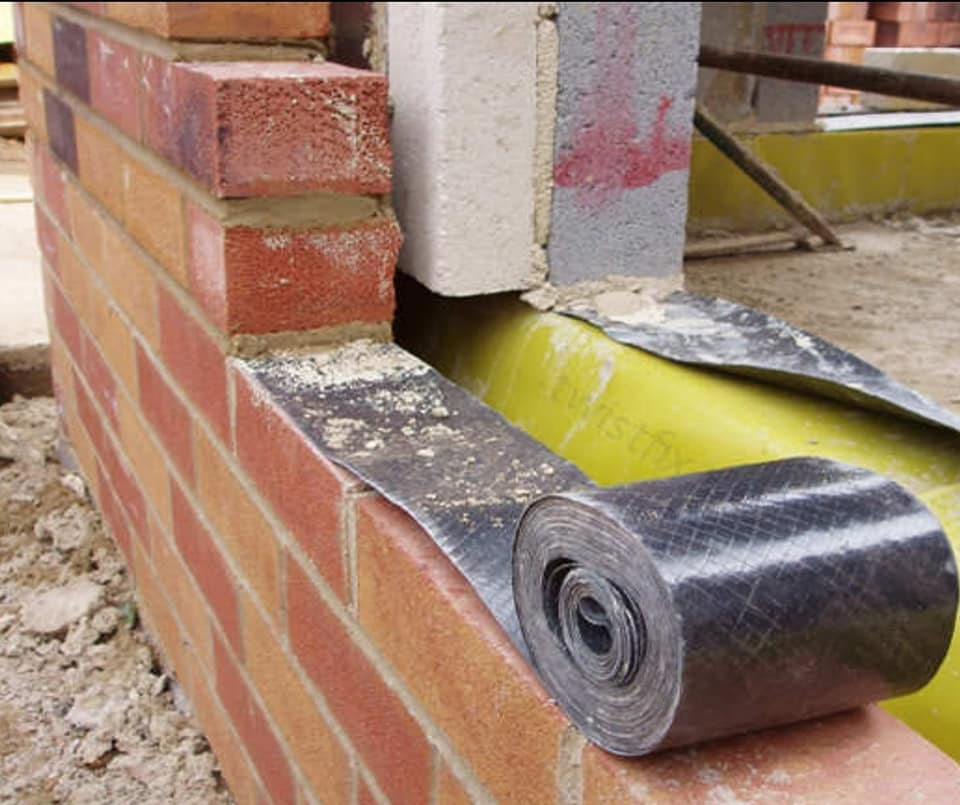
Damp Proof Membrane vs Damp-Proof Course
Damp is one of the most common building problems in Bulawayo. Many homeowners notice rising damp on walls or moisture creeping up through floors, especially during the rainy season. Two building elements help prevent these issues: the damp-proof membrane (DPM) and the damp-proof course (DPC). Although they sound similar, they serve different purposes. Understanding the difference can help you protect your property and avoid expensive repairs. At Tusker Civils and Landscapes, we install and repair both systems across Bulawayo and the wider Matabeleland region.
What Is a Damp Proof Course?
A damp-proof course (DPC) forms a horizontal barrier inside a wall. Builders install it just above ground level between the foundation and the rest of the structure. Its purpose is to stop moisture from rising through brickwork by capillary action. This process causes rising damp and often affects older Bulawayo homes that were built before modern damp-proofing standards.
Manufacturers typically make a DPC from impermeable materials such as polyethylene sheeting, bitumen felt, or engineering bricks with low water absorption. During construction, builders place the DPC inside a mortar joint and run it continuously around the building. Even a small gap can allow moisture to bypass the barrier and enter the wall.
Many older homes in Bulawayo have a damaged DPC or no DPC at all. As a result, rising damp remains one of the most common waterproofing problems. Signs include peeling paint near the base of walls, tide marks, crumbling plaster, and a persistent musty smell.
What Is a Damp Proof Membrane?
A damp-proof membrane (DPM) protects floors from ground moisture. Builders usually install it beneath a concrete floor slab or apply it to the surface before screeding or tiling. It blocks moisture from moving upward into the building.
Manufacturers produce DPMs from heavy-duty polyethylene sheeting, liquid-applied bitumen coatings, or specialist waterproofing membranes. These materials resist punctures during construction and provide long-lasting protection. Installers must seal every joint and edge carefully to keep moisture out.
Bulawayo’s clay-rich soils often retain moisture, especially where drainage is poor. A properly installed DPM protects floor finishes, reduces mould growth beneath carpets and laminate flooring, and helps prevent long-term damage to concrete slabs.
The Core Difference Between DPM and DPC
The easiest way to remember the difference is by looking at where each system works.
A DPC sits inside a wall and prevents moisture from rising through masonry. A DPM sits beneath or on top of a floor slab and stops moisture from rising through the ground.
Both systems protect a building from groundwater moving through capillary action. However, they protect different parts of the structure. Every property needs both systems to achieve complete damp protection.
A house with a well-installed DPC but no DPM may still develop damp floors. Likewise, a home with a quality DPM but a failed DPC can still suffer from rising damp in its walls. For this reason, every professional waterproofing inspection should assess both systems.
Why This Matters for Bulawayo Properties
Bulawayo has a wide range of properties, from colonial-era homes to mid-century houses and modern developments. Each building reflects different construction methods and damp-proofing standards. Therefore, the right waterproofing solution depends on the age and condition of the property.
We often find older homes with a damaged DPC and no floor membrane. Retrofitting a DPC requires specialist techniques because installers cannot simply insert a membrane into an existing wall. Instead, many professionals use chemical injection systems. They inject a water-repellent solution into drilled holes to create a new moisture barrier.
Installing a DPM beneath an existing slab is rarely practical. Instead, installers apply waterproofing coatings or specialist membranes over the existing floor before laying new finishes. A professional inspection identifies the true source of the moisture and ensures the correct repair method.
Common Signs You May Have a Damp Problem
Rising damp and floor moisture often produce similar symptoms. As a result, many property owners struggle to identify the source without professional help.
Peeling or bubbling paint near skirting boards often indicates a failed DPC. Damp or unusually cold floors usually point to a DPM problem. Lifting vinyl, laminate flooring, or loose tiles can also indicate moisture beneath the slab.
White, powdery salts known as efflorescence strongly indicate rising damp moving through masonry. A persistent musty smell may suggest trapped moisture beneath the floor. If you notice any of these warning signs, contact a qualified waterproofing contractor before the damage spreads to plaster, timber, or structural elements.
Getting Professional Waterproofing Support in Bulawayo
Damp problems rarely disappear without treatment. If you delay repairs, the damage often becomes more severe and more expensive to fix. What begins as a small stain near a skirting board can eventually lead to damaged plaster, rotten timber, mould growth, and structural deterioration.
Tusker Civils and Landscapes has extensive experience diagnosing and repairing damp problems across Bulawayo. We also support projects in Gauteng and Mpumalanga through our sister waterproofing operations. Our team understands the local soil conditions and climate, allowing us to recommend solutions that suit each property instead of applying a one-size-fits-all approach.
If your home or commercial building shows signs of damp walls or floors, contact Tusker Civils and Landscapes today. We will inspect your property, identify the source of the moisture, and recommend the most effective combination of damp-proof course and damp-proof membrane solutions to protect your investment for years to come.
Latest Posts:
- Best Waterproofing Methods for Roof Balconies in Bulawayo
- DIY Tips for rising damp proofing in Bulawayo.
- Paving Your Business Parking Lot in Bulawayo — What You Need to Know
- The Science Behind Green Walls: How Living Walls Reduce Heat in Zimbabwean Buildings
- How Green Walls Increase Property Value in Bulawayo’s Growing Real Estate Market