
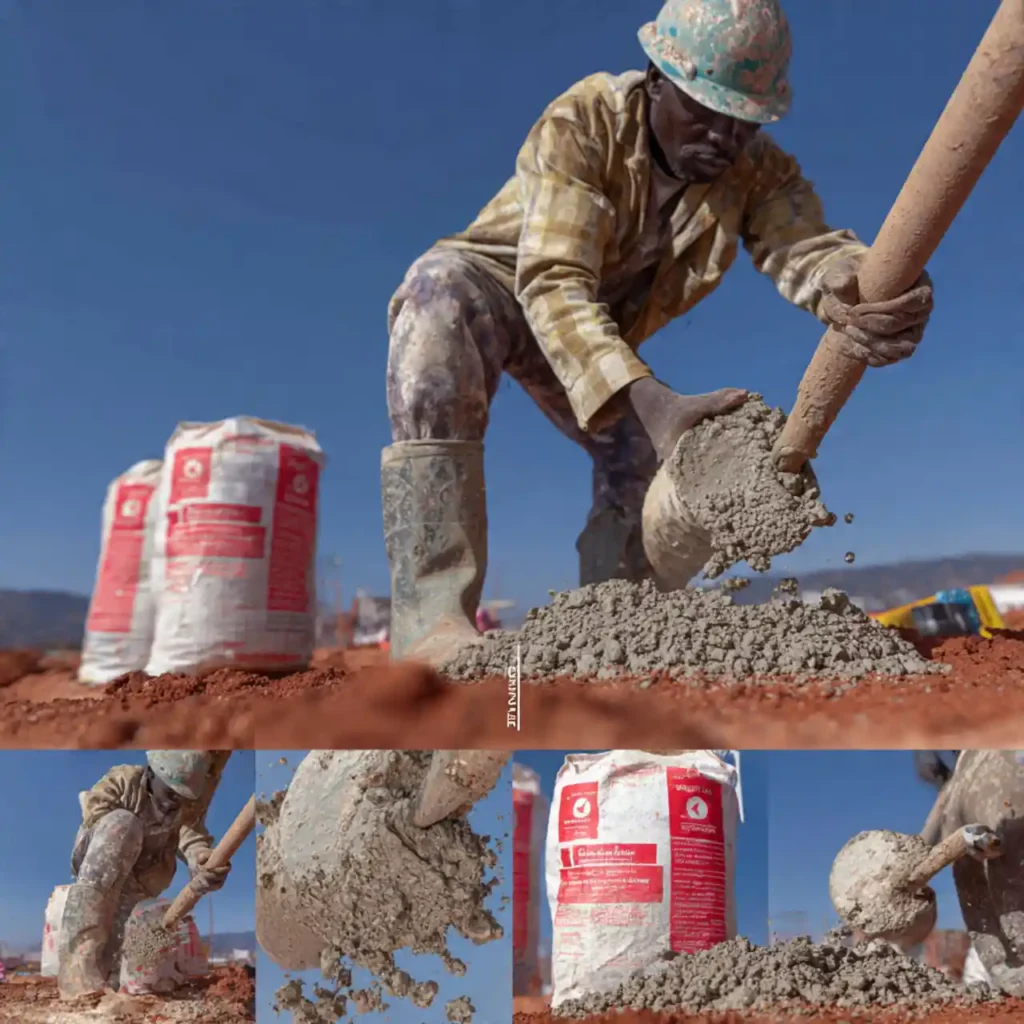
Concrete Quality in Zimbabwe Explained — Why It Varies and How to Secure Durable Results
If you have driven around Bulawayo lately, you have probably noticed it too. One driveway looks flawless five years after installation, while a similar slab two streets away has already cracked, crumbled, or dusted at the surface. Concrete quality in Zimbabwe varies enormously, and the reason rarely comes down to bad luck. It comes down to the mix, the method, and the people doing the work.
At Tusker Civils & Landscapes, we pour concrete across Bulawayo every week, from home foundations in Hillside to commercial hardstandings in the CBD. We see firsthand why some slabs last decades and others fail within months. This post breaks down what actually drives concrete quality and shows you how to protect your investment when you hire a contractor in Bulawayo.
What Makes Concrete Quality So Inconsistent in Zimbabwe
Concrete seems simple on the surface: cement, water, sand, and stone. However, the ratio of these ingredients, plus the way they are mixed, placed, and cured, determines almost everything about the final result. Small variations create huge differences in strength and durability.
Inconsistent Mix Ratios
Many smaller contractors in Zimbabwe still mix concrete by eye rather than by weight or volume measurement. A bag of cement gets thrown in, followed by a few wheelbarrows of sand and stone, with little attention paid to the water content. This guesswork approach leads directly to weak, unpredictable concrete.
The water-to-cement ratio matters more than almost any other factor in the mix. According to a water-cement ratio overview on ScienceDirect, the ratio has a vital impact on both the fresh and hardened properties of concrete, with compressive strength rising sharply as the ratio decreases. In plain terms, too much water dilutes the cement paste and weakens the final slab, even though it makes the mix easier to pour on site. Contractors under pressure to finish quickly often add extra water for workability, sacrificing long-term strength for short-term convenience.
This is exactly why Tusker specifies a different concrete mix for every application rather than using a single all-purpose recipe. Our readymix concrete services in Bulawayo cover standard structural mixes, fibre-reinforced concrete for industrial floors, and self-consolidating concrete for heavily reinforced structures, each batched to suit its specific load and exposure conditions.
Poor Curing Practices
Even a perfectly mixed batch of concrete fails if it dries out too quickly after pouring. Curing keeps the slab moist and at a stable temperature so the cement can continue hydrating and gaining strength over time. Skip this step, and the surface dusts, cracks, and weakens permanently.
The National Ready Mixed Concrete Association explains in its CIP-11 guide that proper curing increases strength, watertightness, abrasion resistance, and durability, while inadequate curing reduces these properties and shortens the life of the structure. Unfortunately, in Bulawayo’s hot, dry climate, this step gets skipped constantly. Contractors pour a slab on a Friday afternoon, walk away, and let the sun do the rest. The result is a surface that looks fine for a few weeks before fine cracks start to appear.
Our teams treat curing as a non-negotiable part of every concrete pour in Bulawayo, regardless of project size. We schedule curing time into the programme from day one, so clients never have to choose between a fast finish and a durable one.
Substandard Materials and Aggregate Quality
Sand and stone quality varies dramatically across Zimbabwe’s quarries and riverbeds. Some suppliers deliver clean, well-graded aggregate. Others deliver material loaded with silt, clay, or organic matter that weakens the bond between the cement paste and the aggregate particles. Because this contamination is invisible to the untrained eye, many homeowners only discover the problem once cracks appear.
Reputable contractors test and source aggregate carefully before it ever reaches the mixer. At Tusker, we work with trusted suppliers and inspect material quality before every major pour, because the strongest cement in the world cannot compensate for poor-quality sand or stone.
Rushed Timelines and Undertrained Labour
Construction deadlines in Zimbabwe often get compressed, especially when clients want fast turnaround on driveways, slabs, or commercial floors. Rushed pours skip critical steps: proper subgrade compaction, correct formwork, adequate vibration to remove air pockets, and sufficient finishing time. Each shortcut chips away at the final product’s strength and lifespan.
Labour skill plays an equally large role. Concrete finishing is a craft, and an inexperienced crew can ruin an otherwise well-mixed batch through poor screeding, premature trowelling, or incorrect joint spacing. Tusker’s concrete crews bring over a decade of hands-on experience across Bulawayo, managing everything from subgrade preparation through to final finishing, so every pour gets done right the first time.
No Site-Specific Engineering
Soil conditions vary across Bulawayo’s suburbs, from the sandy ground in parts of Famona to the more clay-rich soil found elsewhere. A concrete specification that works perfectly on one site can fail on another if nobody adjusts it for local ground conditions, drainage, or expected loading.
This is why we never apply a one-size-fits-all approach. Every project starts with a site assessment so our team can recommend the right thickness, reinforcement, and mix design before a single bag of cement gets opened.
How to Make Sure You Get the Best Concrete in Bulawayo
Now that you understand why concrete quality fluctuates so much, here is how to protect yourself when commissioning a project.
Ask About the Mix Design Before You Sign
Do not accept a vague answer when you ask what mix your contractor plans to use. A professional contractor should explain whether they are using standard concrete, fibre-reinforced concrete, or another specification, and why that choice suits your project. If a contractor cannot answer this question clearly, treat it as a warning sign.
Confirm Curing Procedures Are Included in the Quote
Curing takes time and costs money in labour and materials, so some contractors quietly skip it to save costs and speed things up. Make sure your quote explicitly includes a curing plan, and ask how long the slab will be protected before it gets exposed to full traffic or loading.
Check the Contractor’s Track Record in Bulawayo
Local experience matters because soil, climate, and material supply chains differ from region to region. A contractor who understands Bulawayo’s specific conditions, including its clay content in certain suburbs and its hot, dry season, designs more reliable mixes than one applying generic standards without local context. Browsing a contractor’s completed projects gives you a useful sense of their experience and consistency over time.
Insist on Proper Site Preparation
Concrete is only as good as what lies beneath it. Subgrade compaction, correct formwork, and adequate drainage all influence whether your slab settles evenly or cracks within its first year. Ask your contractor to walk you through their site preparation process before work begins, not after problems show up.
Pair Concrete Work With Complementary Services
Many concrete problems trace back to water damage rather than the concrete itself. Poor waterproofing around foundations and retaining walls allows moisture to undermine even well-poured concrete over time. Similarly, concrete that supports paving or flooring installations needs to be specified correctly from the start, since these finishes depend entirely on what lies beneath them. Working with a single contractor across these related services, rather than juggling multiple suppliers, reduces the risk of mismatched specifications and finger-pointing later.
Why Bulawayo Homeowners and Developers Choose Tusker Civils
Tusker Civils & Landscapes has spent more than a decade delivering concrete, paving, flooring, and waterproofing projects across Bulawayo. Our concrete teams plan every pour around the project’s actual requirements, from foundations and floor slabs to industrial hardstandings and retaining structures. We manage the entire process ourselves, covering subgrade preparation, formwork, pouring, curing, and finishing under one contract, so nothing falls through the cracks between trades.
We also believe transparency builds trust. Before any quote goes out, our team visits the site, assesses soil and drainage conditions, and recommends a mix specification suited to your project rather than a generic default. This approach has helped us complete more than 88 projects for homeowners, developers, estate managers, and corporate clients throughout Bulawayo and the wider region.
If you are planning a concrete project anywhere in Bulawayo, from Hillside to Khumalo to Burnside, getting the specification right from day one saves you money and frustration for years to come. Concrete quality in Zimbabwe does not have to be a gamble, and choosing the right partner makes all the difference.
Recent Posts:
Concrete Retaining Walls in Bulawayo — When You Need One and What It Costs
Polished Concrete Floors in Bulawayo — The Trend Taking Over Modern Homes
Flooring Cost Guide for Bulawayo Homes — What to Budget Per Square Metre
Before and After: How Professional Paving Transforms Bulawayo Properties