
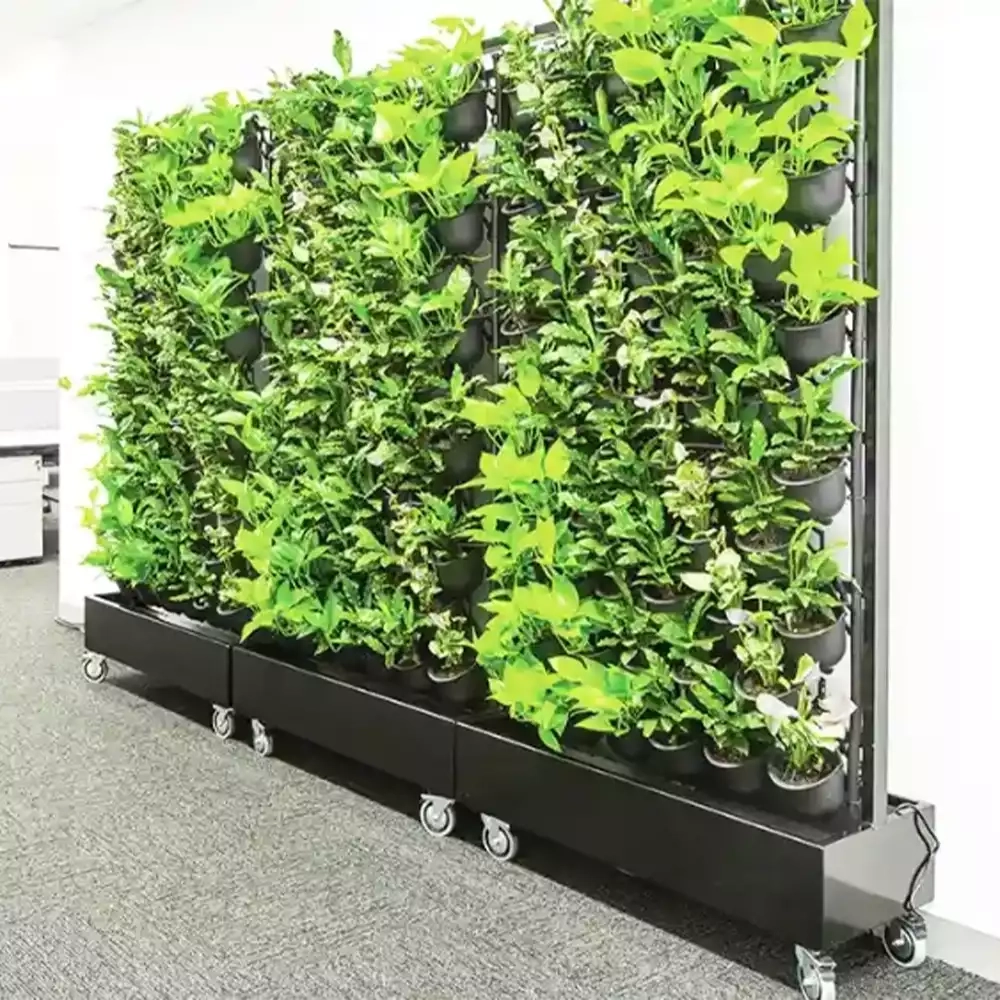
Why Green Walls Are Good for the Mind, Not Just the Eye
We tend to think of landscaping as something that improves a property look. At Tusker Civils and Landscapes, we’ve come to see green walls as something more than decoration. Research into urban greenery keeps pointing to the same conclusion: being near plants changes how we feel, think, and cope with stress. That matters whether you’re designing a home garden, an office lobby, a retail space, or a care facility for the elderly here in Bulawayo.
We Are Still Creatures of Nature
Humans spent hundreds of thousands of years living inside nature before cities existed at all. Our nervous systems never fully adapted to concrete, glass, and enclosed rooms. This idea, known as biophilia, describes an inborn pull toward the natural world that doesn’t switch off just because we now live and work indoors. According to research summarised by CityChangers.org, urban planners and psychologists increasingly treat this connection as central to good mental health in built environments, rather than as a nice-to-have extra.
A green wall is one of the most direct ways to bring that missing element back into a space that has none. Unlike a garden or a park, it doesn’t need floor space, and it works in tight courtyards, narrow office corridors, and boundary walls where a traditional flower bed simply won’t fit.
At Home: A Daily Dose of Calm
Home should be the place where stress goes down, not up. A living wall in a courtyard, on a boundary fence, or along a patio provides a household with easy access to greenery. Studies show that even brief exposure to plants can lower stress hormones. Regular contact with greenery improves mood more effectively than time spent indoors. For a Bulawayo home, this could mean a green wall visible from the kitchen window. It might also frame an outdoor seating area where the family spends evenings together.
In Offices: Better Focus, Fewer Sick Days
Open-plan offices are notoriously draining on attention. Natural environments draw on what researchers call “involuntary attention” — the kind that doesn’t require effort to maintain, unlike the directed focus needed for spreadsheets and meetings. A green wall in a reception area or break room gives employees a place to let that directed attention rest for a few minutes, which in turn supports better focus once they’re back at their desks. It also signals something to clients walking through the door: a business that invests in its environment tends to be read as one that invests in its people too.
In Commercial Spaces: Third Places That Keep People Coming Back
Retail centres, restaurants, and hospitality venues compete for something harder to buy than floor space: time. Sociologists use the term “third places” for spaces where people gather without needing to spend money to justify being there — a park bench, a shaded courtyard, a green corner of a mall. A well-placed living wall can turn a commercial space into somewhere customers want to linger, not just pass through, and that lingering time is where loyalty and repeat visits tend to come from.
In Elderly Care Homes: A Genuine Health Intervention
This is where the evidence is strongest. Ongoing research into aged care facilities has found that access to greenery measurably improves the physical health, mood, and social engagement of older residents, many of whom spend far more time indoors or in limited outdoor areas than younger people. Elderly residents also recover from illness faster when they can see or access vegetation, partly because of the calming, restorative effect it has on the nervous system. For a Bulawayo care home, a green wall along a courtyard or sitting area isn’t just landscaping — it’s a low-cost, low-maintenance way to support residents’ wellbeing every single day, especially where shaded outdoor space is limited.
The Bigger Picture
The World Health Organization suggests at least 9 square metres of green space per urban resident. Most rapidly growing African cities, including Bulawayo, do not meet this standard. Loneliness is linked to a 26% increase in mortality risk. Shared green spaces effectively reduce loneliness by encouraging outdoor interaction. Green walls alone cannot address the city’s green space deficit. However, they enhance wellbeing for homes, businesses, and care facilities. They also tackle the challenge of adding greenery in limited ground space.
If you manage a home, business, or care facility in Bulawayo, consider a green wall. The benefits extend beyond just looks. Tusker Civils and Landscapes creates green wall systems for Zimbabwe’s climate. You gain psychological and social benefits without the hassle of maintenance.
You can find further reading on the psychology of biophilic design in this peer-reviewed overview of biophilic design practice.