
10 Warning Signs Your Roof Is Leaking in Bulawayo
A leaking roof rarely announces itself. It creeps in quietly, through a hairline crack or a lifted membrane, long before you see a drip. That’s why knowing the early roof leak signs in Bulawayo matters so much. Catch them early, and you save yourself thousands in structural repairs. Miss them, and a small crack becomes a collapsed ceiling.
Bulawayo’s climate makes roofs work hard. Hot, dry summers bake membranes and tiles. Then the rainy season arrives and tests every weak point at once. This guide walks you through the ten clearest warning signs, so you can act before the damage spreads.
Why Bulawayo Roofs Are Prone to Leaks
Bulawayo experiences intense UV exposure for most of the year. This heat dries out roofing membranes and causes them to crack or shrink. Then, when the rains come, water finds every gap. Flat roofs, common on many Bulawayo homes and commercial buildings, are especially vulnerable because they don’t shed water as quickly as pitched roofs. Add ageing sheeting, poor original installation, or blocked gutters, and you have a recipe for slow, hidden leaks.
Regular inspection, ideally before and after the rainy season, catches problems while they’re still cheap to fix. If you’re unsure where to start, Tusker’s waterproofing services in Bulawayo include a full roof assessment as part of every quote.
10 Signs Your Roof Is Leaking (Bulawayo Edition)
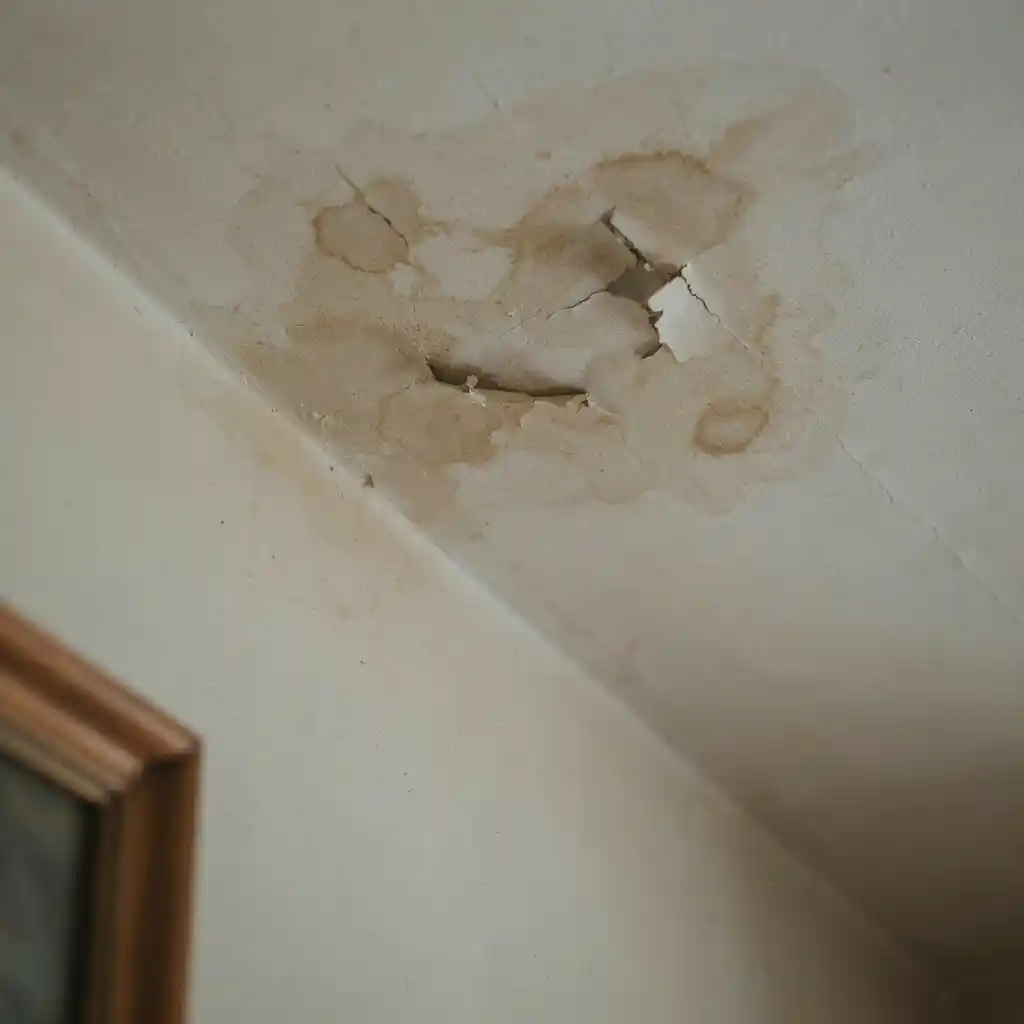
1. Water Stains on the Ceiling
Brown or yellow rings on your ceiling are usually the first visible clue. Water travels along rafters and beams before it drips through, so the stain doesn’t always sit directly under the leak. Once you spot a stain, trace the roof area above it and check for cracked tiles, lifted flashing, or a failing membrane.
2. Peeling or Bubbling Paint
Moisture trapped behind paint pushes it away from the wall or ceiling surface. You’ll notice small bubbles first, then flaking as the moisture spreads. This sign often appears near window frames, cornices, or wherever a roof penetration, like a vent pipe, meets the structure.
3. A Persistent Musty Smell
Trapped moisture breeds mould, and mould has a distinct, damp smell. If a room smells musty even after cleaning, check the roof space above it. Hidden leaks inside a ceiling void often go unnoticed for months because there’s no visible stain yet, only the smell.
4. Visible Mould or Mildew
Dark spots on ceilings, cornices, or the tops of walls point to ongoing moisture exposure. Mould needs consistent dampness to grow, so its presence means water has been getting in for a while, not just after one heavy storm. Left untreated, it also becomes a health concern for anyone living or working in the space.
5. Sagging Ceiling Sections
A ceiling board that dips, bulges, or feels soft to the touch has absorbed water. This is a serious sign. The structural integrity of the ceiling is compromised, and full collapse becomes a real risk. Stay out of the room and call a professional immediately, since Tusker’s concrete and structural repair team can assess whether the underlying structure needs reinforcement.
6. Damp Patches on Interior Walls
Roof leaks don’t always stay on the ceiling. Water can travel down inside a cavity wall and surface lower down, sometimes at skirting board level. If a damp patch on your wall keeps returning despite good weather, the source is often above, not from rising ground moisture.
7. Missing, Cracked, or Lifted Roofing Material
Walk around your property after strong wind or heavy rain and look up. Missing tiles, lifted IBR sheets, or cracked ridge caps are direct entry points for water. Even a small gap lets in enough moisture over a season to cause serious internal damage.
8. Damaged or Buckled Flooring
Leaks that travel far enough can reach ground level and affect your floors. Timber flooring buckles, laminate lifts at the seams, and even concrete floors can develop damp patches near external walls. If your flooring shows unexplained damage near an outer wall, check the roof directly above that section first.
9. Daylight Visible Through the Roof Structure
If you can access your roof space safely, switch off the lights and look up. Pinpricks of daylight mean gaps in the roofing material. These same gaps let rain in during a storm, even if they seem too small to matter.
10. Pooling Water Around the Foundation or Paving
Sometimes the leak isn’t in the roof itself but in how water drains off it. Blocked or damaged gutters send water straight down the wall instead of away from the building. Over time, this saturates the ground near your foundation and can undermine nearby paving and driveways. Persistent pooling after rain is a strong clue that your drainage system needs attention, not just your roof.
What to Do Once You Spot These Signs
Don’t wait for a small leak to become a big one. Start by documenting what you see. Photograph stains, damp patches, and any visible roof damage, and note the date. Next, avoid climbing onto the roof yourself, since wet or damaged surfaces are dangerous underfoot. Instead, call in a professional to inspect the roof from a safe vantage point and pinpoint the source.
According to RoofConnect’s guide on leak detection, even subtle signs like rising energy bills can point to hidden roof moisture affecting your insulation. Similarly, Bartlett Roofing’s homeowner checklist recommends checking visible signs from ground level before assuming a leak needs a full roof replacement. Both point to the same conclusion: early action costs far less than delayed repairs.
Protect Your Roof With Tusker Civils
A leaking roof affects more than your ceiling. It threatens your walls, your floors, and the long-term value of your property. Tusker Civils & Landscapes has worked on homes and commercial buildings across Bulawayo, so we know exactly how the local climate wears down roofing systems over time.
Our team inspects your roof, identifies the real source of the leak, and applies durable waterproofing solutions built for Bulawayo’s weather. Visit tuskercivils.com to request a free on-site assessment, and let us stop the leak before it spreads any further.
Recent Posts:
Roof Leak Detection in Bulawayo: A Complete Homeowner’s Guide
Maintaining Artificial Turf on High-Traffic Bulawayo Golf Greens
5 Reasons Bulawayo Schools Are Switching to Artificial Grass Hockey Fields