
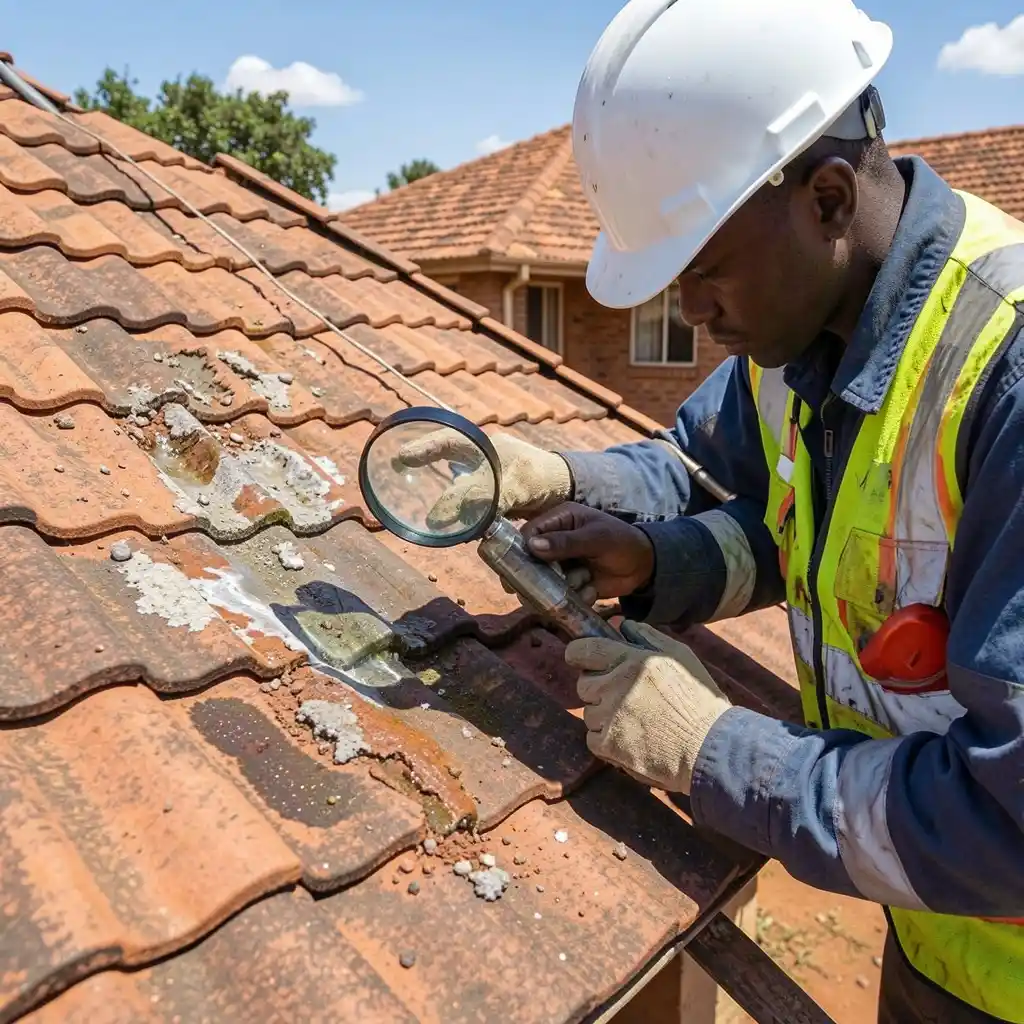
How to Find and Fix Roof Leaks in Bulawayo: A Homeowner’s Guide
A small roof leak rarely stays small. It spreads quietly behind ceilings and walls until the damage becomes expensive. That’s why roof leak detection in Bulawayo matters so much for local homeowners. Catch a leak early, and you save your ceilings, your walls, and your budget. Miss it, and you risk structural rot, mould, and a much larger repair bill.
This guide walks you through why leaks happen in Bulawayo, how to spot them early, and when to call in a professional team like Tusker Civils & Landscapes.
Why Roof Leak Detection Matters in Bulawayo
Bulawayo’s climate puts real pressure on roofs. Long, hot dry seasons bake membranes and sealants, causing them to crack and lose flexibility. Then the rainy season arrives with sudden, heavy downpours that expose every weak point at once. This cycle repeats every year, so even a well-built roof needs regular attention.
Flat roofs are especially common on Bulawayo homes and commercial buildings, and they carry a higher leak risk than pitched roofs. Water sits on a flat surface instead of running off quickly, so any gap in the waterproofing becomes an entry point. Consequently, homeowners who inspect their roofs before and after the rainy season avoid most emergency repairs altogether.
Common Causes of Roof Leaks in Bulawayo Homes
Understanding the cause helps you know where to look first.
Ageing Waterproofing Membranes
Torch-on bitumen and liquid-applied coatings don’t last forever. Bulawayo’s intense UV exposure breaks down these membranes faster than in milder climates. Most systems need recoating within 10 to 15 years, and skipping that maintenance is the single biggest cause of roof leaks in the city.
Poor Roof Drainage and Ponding
Flat roofs need a slight fall so water drains away quickly. When drainage is poor, water ponds in low spots and slowly works its way through even minor cracks. Blocked outlets and gutters make the problem worse, so clearing debris before the rainy season is a simple but effective habit.
Cracked Flashing and Parapet Walls
Flashing seals the joints where a roof meets a chimney, parapet wall, or vent pipe. These joints move slightly with temperature changes, and over time the seal cracks. Because flashing failures are often hidden from view, they’re one of the trickiest leak sources to diagnose without a proper inspection.
Early Warning Signs You Shouldn’t Ignore
Most roof leaks give warning signs long before water actually drips indoors. Learning to read these signs puts you ahead of the damage.
Ceiling Stains and Damp Patches
A yellow or brown stain on your ceiling almost always means water has already reached the roof slab or ceiling board. According to This Old House, the stain’s location doesn’t always match the leak’s exact position, since water often travels sideways before it drips down. So check the whole ceiling area near the stain, not just the spot directly below it.
Peeling Paint or Bubbling Plaster
When moisture builds up behind a painted wall or ceiling, the paint eventually bubbles, peels, or flakes off. This sign often appears well before any visible stain, so treat it as an early alarm rather than a cosmetic issue.
Musty Odours Indoors
A persistent musty smell, especially in a room below a flat roof, usually points to trapped moisture and early mould growth. Angi’s guide to finding roof leaks notes that soaked insulation and wet wooden planks in the roof space are common companions to this smell, so an attic or ceiling void check is worth doing as soon as you notice it.
How to Check for a Roof Leak Yourself
Start indoors on a dry day. Walk through every room and look up at the ceiling, paying close attention to corners, light fittings, and areas below bathrooms or roof penetrations. Note any discolouration, no matter how faint.
Next, move outdoors and inspect the roof from ground level using binoculars if you can’t safely access the roof itself. Look for cracked or lifted membrane edges, ponding water, and debris blocking drainage outlets. Pay particular attention to parapet walls and any point where pipes or vents pass through the roof surface, since these joints fail more often than open, flat sections.
Finally, check your gutters and downpipes. A blocked gutter forces water to back up under the roof edge, which mimics the symptoms of a membrane failure even when the waterproofing itself is intact. Clearing this first can save you an unnecessary repair call.
Why Roof Leaks Often Affect More Than the Roof
Water rarely stays contained to the roof once it gets in. It travels down through ceiling boards, along wall cavities, and sometimes reaches flooring surfaces below, where it can warp timber or lift tiles. Around the outside of the building, poor drainage from a leaking roof also saturates the ground near your foundation, which is why healthy paving and proper site drainage matter just as much as the roof itself.
If your property also uses garden irrigation near the affected wall, check that sprinklers aren’t adding extra moisture to an already damp area. Removing every unnecessary water source makes it far easier to confirm the roof as the true culprit.
When to Call a Professional
DIY inspection helps you catch obvious problems, but some leaks stay hidden until a trained eye finds them. If you’ve cleared the gutters, checked visible flashing, and stains keep appearing, it’s time to bring in a specialist.
A professional inspection uses moisture meters and a detailed structural check to find leaks that aren’t visible from the ground or the ceiling. This step matters even more on older properties, where concrete roof slabs may have developed hairline cracks that only show up under close inspection. Tackling the root cause the first time round saves you from repeat call-outs during the next rainy season.
How Tusker Civils & Landscapes Fixes Roof Leaks in Bulawayo
Tusker Civils & Landscapes inspects the full roof surface, identifies every failure point, and diagnoses whether the issue comes from the membrane, the flashing, or the drainage. From there, the team applies industry-approved membranes, coatings, and sealant systems suited to your specific roof type and Bulawayo’s climate.
Every job includes a written assessment before work begins, so you know exactly what’s wrong and what the fix involves. Because the same team handles waterproofing, concrete repairs, and drainage together, you avoid the guesswork of coordinating multiple contractors for one connected problem.
Preventing Future Roof Leaks in Bulawayo’s Climate
Prevention costs far less than repair. Schedule a roof inspection every April, right after the rainy season ends, so any minor cracking or membrane lifting gets caught before the next dry season bakes it further. Clear gutters and drainage outlets twice a year, and recoat ageing membranes before they fail rather than after.
A roof leak in Bulawayo rarely announces itself loudly at first. It starts as a faint stain, a musty smell, or a patch of ponding water on a flat roof. Catching these signs early, and acting on them quickly, is what separates a simple maintenance job from a costly emergency repair.
If you’ve spotted any of these warning signs on your property, reach out to Tusker Civils & Landscapes for a professional roof inspection and a written quotation before any work begins.
Recent Posts:
Maintaining Artificial Turf on High-Traffic Bulawayo Golf Greens
5 Reasons Bulawayo Schools Are Switching to Artificial Grass Hockey Fields
All About Shock Pads: Keeping Bulawayo Playgrounds Fall-Safe